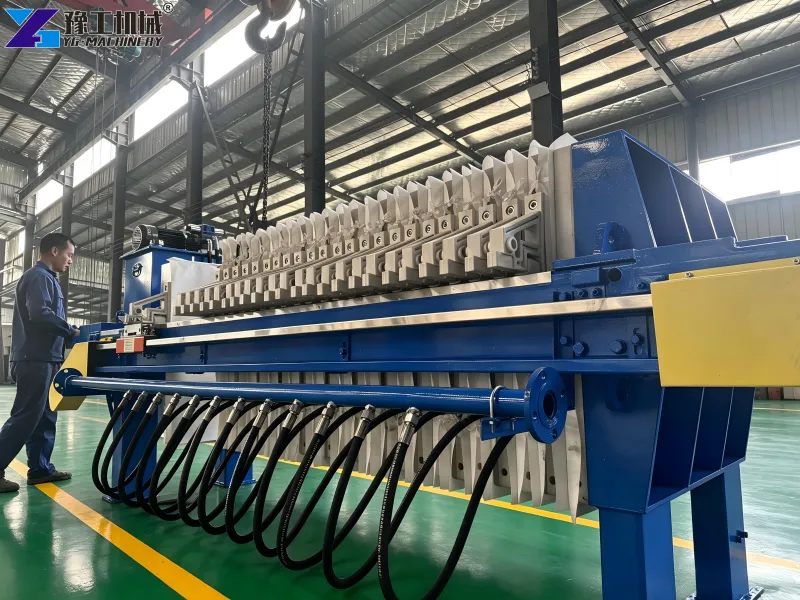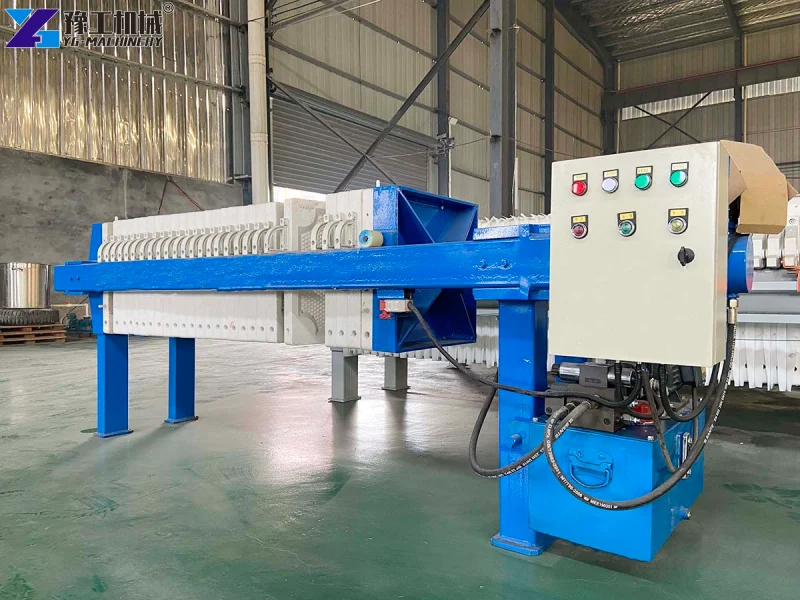
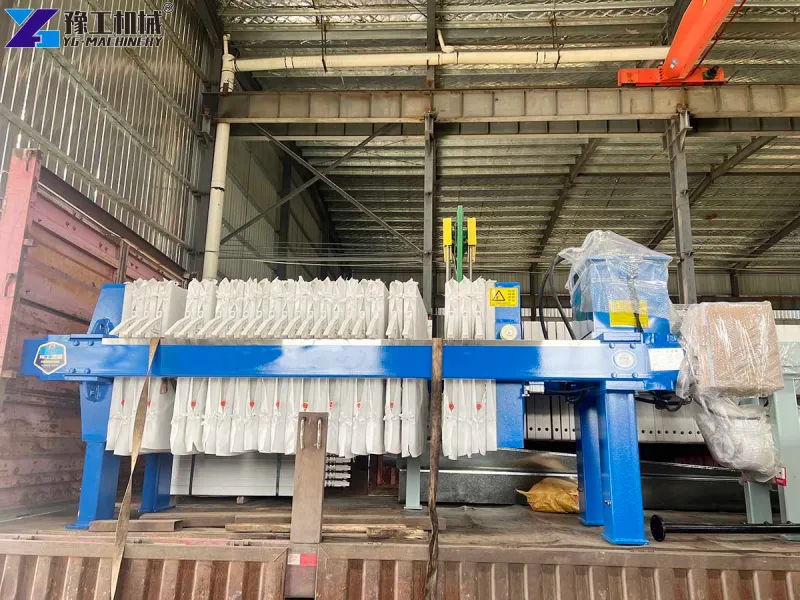
When raw slurry solid content hovers stubbornly between 20% and 25%, traditional settling ponds and conventional chamber filter presses often grind to a halt. Slurry viscosity spikes, filter cake moisture refuses to drop, tailings ponds face constant overflow risks, and sand washing lines suffer forced shutdowns. Overseas mine owners and plant managers searching for a mining filter press on Google are tired of generic specifications. They want straightforward answers: Under extreme conditions, down to what percentage can cake moisture actually drop, and can water recovery truly exceed 90%?
This article takes you straight to an overseas mine jobsite to see how an advanced mining filtration system delivers definitive, data-backed results.
Industry Practical Tip: The actual viscosity and clay content of raw slurry on site dictate ultimate success or failure.
Consult Directly with an Engineer
Typical Mining Application Scenarios: The Dilemma of Coal Slime, Sand Washing, and Tailings
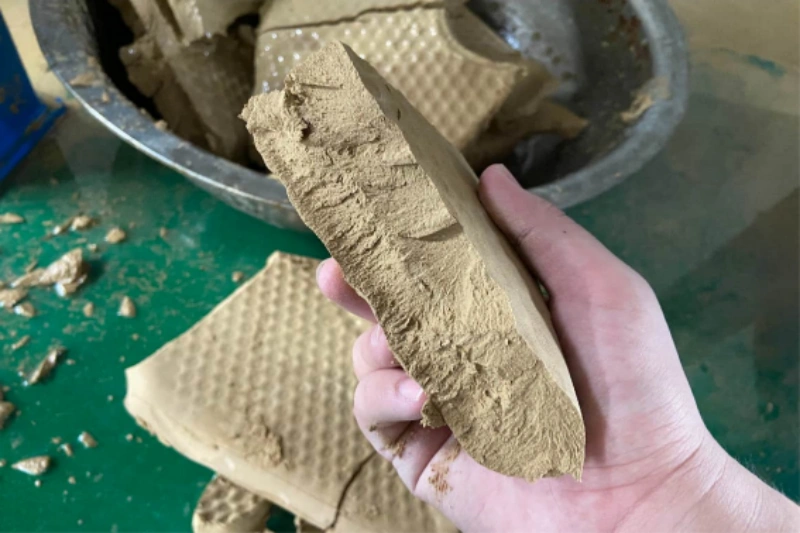
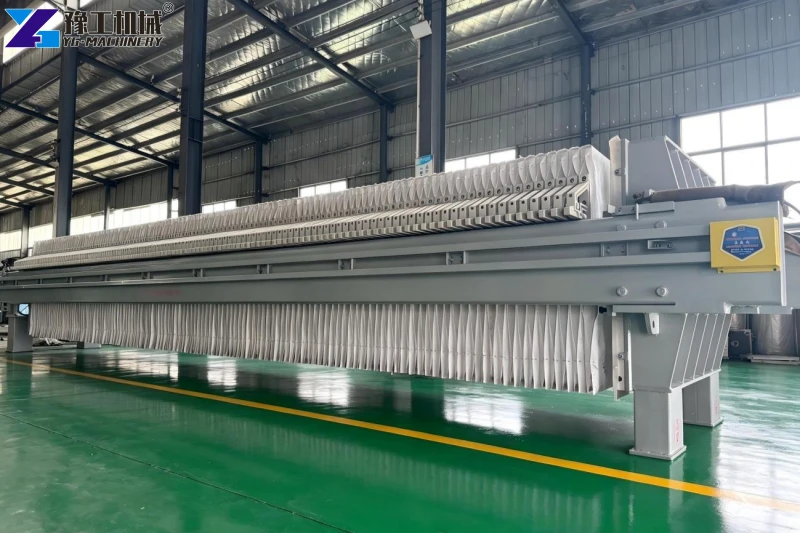
The mining and aggregate sectors face immense pressure daily regarding slurry management. Whether handling high-concentration coal slime from a washing plant, fine sand slurry from a large sand washing facility, or metal mine tailings, initial solid content typically hovers around 20% to 25%.
Without efficient sludge dewatering equipment, fluid tailings consume vast plots of land for tailing ponds and invite strict environmental fines. Worse yet, if process water in sand washing fails to achieve closed-loop recycling, plants face soaring water utility and compliance costs.
Industry Practical Tip: When dealing with abrasive mineral slurries, filter plate materials and pressure tolerances must meet heavy-duty industrial standards to prevent structural deformation under high pressure.
Consult Directly with an Engineer
Breaking Through at a Quarry and Sand Washing Plant in Indonesia
Let us examine a verified overseas deployment.
Project Background: Consider our YG Machinery project delivered in 2025 to a quarry and sand washing plant in Sulawesi, Indonesia. The plant processed massive daily volumes of raw slurry. However, legacy equipment failed to process incoming tailings at 22% solid content, causing frequent settling pond overflows and forced production shutdowns.
Engineering Hurdles: Local environmental authorities strictly monitor direct wastewater discharge. Meanwhile, local water scarcity restricted round-the-clock sand washing operations. The client urgently required a modern system capable of producing stackable dry cakes and achieving 100% clean water recycling.
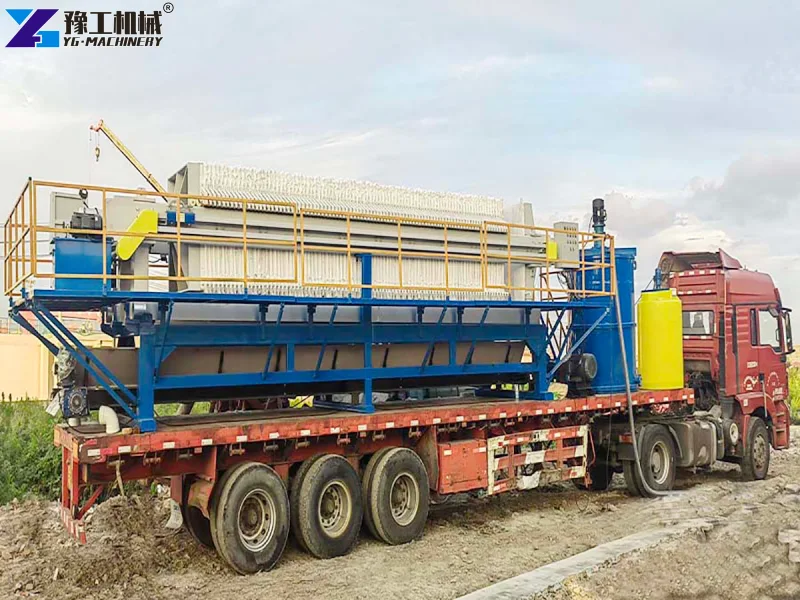
Solutions and Operating Results: After conducting an onsite survey, our engineering team delivered a high-performance automatic filter press mining dewatering system. Once commissioned, the equipment delivered exceptional stability:
- Throughput Efficiency & Measured Data: Facing challenging tailings slurry at 20%–25% solid content, the mining filter press utilized automated high-pressure squeezing to steadily reduce filter cake moisture below 20%.
- Water Recycling Rate: Clarified filtrate from the press piped directly back to the sand washing plant, achieving a closed-loop water recovery rate exceeding 90% and resolving the plant’s seasonal water shortage crisis.
- Comprehensive Benefits: Once formed, dry mud cakes hauled away directly for road sub-base backfilling. This eliminated massive land occupation costs for tailing ponds and saved the enterprise hundreds of thousands of dollars in operating expenses annually.
Industry Practical Tip: In dusty and humid overseas mining environments, PLC automation control cabinets must feature dust-proof and moisture-proof designs to minimize operator stress in the field.
Consult Directly with an Engineer
Mining Press Equipment Cooperation and Operations Q&A
The safest approach is sending 5–10 kilograms of raw slurry samples to our laboratory for small-scale testing to determine specific resistance, settling velocity, and compressibility coefficients, followed by a precise sizing report.
Premium sludge dewatering filter press units utilize high-strength reinforced polypropylene filter plates and wear-resistant filter cloths. Routine maintenance centers primarily on periodic cloth washing and inspecting high-pressure hydraulic cylinder seals, while automated models achieve virtually labor-free cake discharge.
For standard models of mining filter presses, production lead times typically run 25 to 35 days. We provide comprehensive overseas shipping logistics guidance along with remote and onsite installation/commissioning support to ensure rapid project startup.
Related posts:
Breaking the Urban Piling & Tunneling Mud Deadlock: A 500m² Piling Mud Filter Press Case Study
Comprehensive Guide to Modern Industrial Desanding Plant
Industrial & Municipal Sludge Ultimate Dewatering Solutions
Automatic Filter Press
A Day on the Jobsite: The Mobile Filter Press Operational Workflow