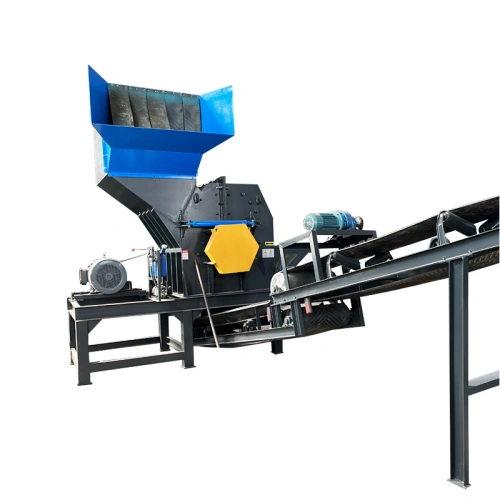
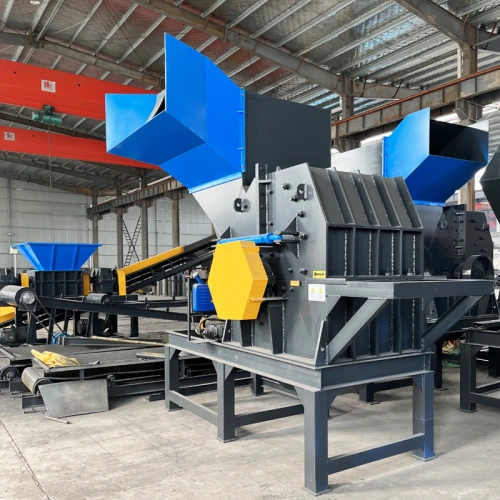
In the metal recycling business, picking the wrong equipment can cost you up to 30% of your annual profit. For most factory managers and contractors, common headaches include unexpected material jams, rapid blade wear, and low output density that fails steel mill standards. As a machinery specialist with years of field experience, I have handled hundreds of overseas purchasing cases. This guide breaks down the essential details of buying a scrap metal shredder machine, helping you avoid expensive traps.
Scrap Metal Shredder Machine Parameters:
| Model | YG-600 | YG-800 | YG-1000 | YG-1200 | YG-1400 | YG-1600 | YG-1900 | YG-2200 | YG-2600 |
| Power | 4-15*2 kw | 4-22*2kw | 4-30*2kw | 4-37*2kw | 4-45*2kw | 4-75*2KW | 4-90*2kw | 4-132*2kw | 4-160*2kw |
| Spindle Model | 18-20r/min | 18-35r/min | 18-35r/min | 18-35r/min | 14-35r/min | 14-25r/min | 14-25r/min | 16-25r/min | 16-25r/min |
| Capacity | 2-3t/h | 3-5t/h | 5-8t/h | 6-10t/h | 8-12t/h | 12-18t/h | 16-22t/h | 20-26t/h | 25-60t/h |
| Broken Size | 3-10cm | 3-10cm | 3-10cm | 3-10cm | 3-10cm | 3-10cm | 3-10cm | 3-10cm | 3-10cm |
| Hopper Size | 820*900mm | 900*1000mm | 1200*1000mm | 1400*1000mm | 2000*2000mm | 2300*2000mm | 2300*2000mm | 2500*1800mm | 2425*1400mm |
| Dimensions | 2600*2000*1900mm | 2800*2000*1900mm | 3000*2000*1900mm | 3200*2000*1900mm | 4000*1700*2400mm | 5000*3000*2400mm | 6000*3500*2400mm | 7000*4000*4500mm | 8200*4000*4300mm |
Where Is a Scrap Metal Shredder Machine Used in Industry?
A scrap metal shredder machine reduces bulk waste volume and increases output density. Different scrap types need different power setups and blade materials.
- Automobile Recycling: Processes entire car shells, engine blocks, and auto parts. It requires high torque to shrink volume fast.
- E-Waste & Home Appliances: Handles old fridges, washers, and computer cases. A metal crushing and sorting machine often pairs with a magnetic separator for metal recycling here to split steel from plastic easily.
- Industrial Steel Scrap: Shreds steel angle bars, rebars, and pipes. It boosts density to over 1.2 tons per cubic meter, dropping freight costs.
- Non-Ferrous Processing: Crushes aluminum castings and copper wires. Using a fine-cutting metal shredder machine delivers higher purity metal granules.
💡 Pro Tip: If you handle steel plates over 8mm thick, skip light double-shaft models. Go for heavy-duty single or twin-shaft units with hydraulic pushers to avoid constant jamming.
What Key Specs Matter for a Scrap Metal Shredder Machine?
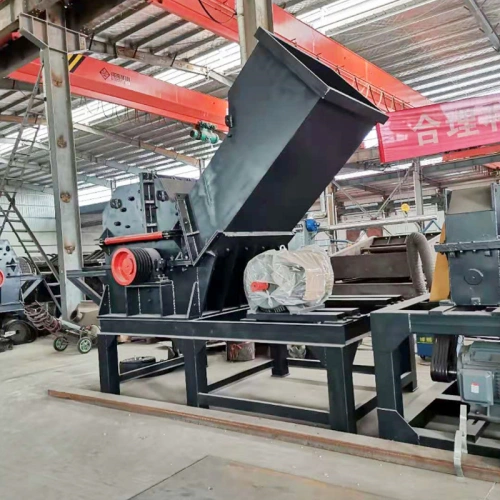
When choosing a scrap metal shredder machine, look beyond total horsepower. Four key specs directly control your output and running costs:
- Feeding Size and Thickness Limits: The feed opening must be 15% to 20% larger than your biggest waste piece. If scrap thickness exceeds 10mm, add a hydraulic forced feeder.
- Screen Mesh Size and Output Density: Our standard mesh size ranges from 60- 70 mm. Smaller holes create tighter metal balls with higher density. However, smaller holes drop hourly output by 15% to 25%.
- Blade Material and Wear Resistance: Blades are your main wear item. Always verify the maker uses Cr12MoV, D2, or H13 alloy steel. Quality alloy blades last 3 times longer than basic carbon steel.
- Capacity Per Hour (TPH): Do not chase massive numbers blindly. Match the machine to your daily scrap collection. A 2-5 TPH model offers the best value for mid-sized yards.
Real Overseas Case: How a Southeast Asian Plant Boosted Capacity by 40%
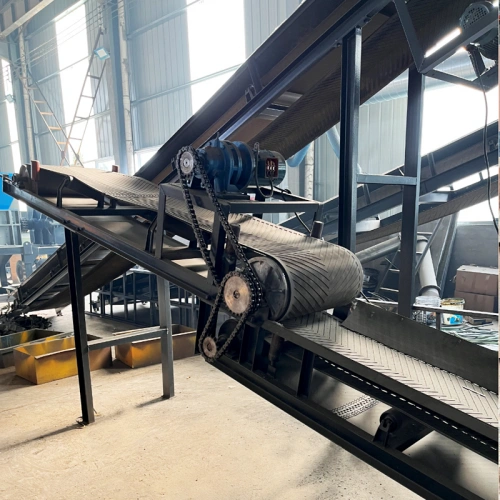
Last year, Mark, a plant manager from the Philippines, reached out to us. His recycling yard handled old appliances and mixed scrap. His old setup jammed daily, wasting $5,000 monthly in labor and downtime.
The Challenges Faced
- Old blades needed re-welding every two weeks, raising maintenance costs.
- Mixed metal scrap could not be sorted fast, leading to low sale prices.
- Low scrap density led to half-empty shipping containers and high freight rates.
The Customized YG Solution
We built a cost-effective scrap metal shredder machine line for Mark. We installed 55mm D2 alloy blades and added a magnetic separator for metal recycling along with an air separator at the discharge end. We set the mesh size to 65mm to meet high-density steel mill standards.
Real Results Achieved
- Higher Capacity: Daily output jumped from 12 tons to 20 tons, up by 40%.
- Lower Maintenance: D2 blades ran for 6 months with basic sharpening, cutting maintenance costs by 65%.
- Better Pricing: Sorted iron purity topped 98%, fetching an extra 18 per ton.
💡 Pro Tip: Ocean freight charges by volume and weight. Raising scrap density over 1.0 t/m³ can cut your container shipping cost in half.
Frequently Asked Questions (Q&A) About a Scrap Metal Shredder Machine
A standard scrap metal shredder machine easily handles 3- 8 mm steel sheet and scrap. For solid steel blocks or heavy scrap over 10mm, you need a custom hydraulic drive with a high-torque reducer.
It is a tradeoff. Smaller screen holes give higher density but lower TPH. A 60-70mm screen gives the best balance. If you need extreme density, add a vertical hammer mill after the shredder instead of forcing it through tiny screen holes.
Sealed gas tanks, hydraulic cylinders, solid thick steel shafts, and explosive containers must never enter the chamber. They cause severe jams, destroy blades, and risk fires or explosions.
Actionable Tips Before Buying a Scrap Metal Shredder Machine
Before signing your purchase contract, complete these three checks:
- Request a Live Material Test: Send your actual scrap samples to the manufacturer for a test video. Watch the feed flow and output size closely.
- Secure Spare Wear Parts: Include a spare set of stationary blades, rotary blades, and screens in your order. Waiting for sea freight shipment during a breakdown stops your work.
- Confirm Remote Tech Support: Ensure the vendor provides video setup help and clear wiring diagrams. Remote diagnostics on heavy equipment save thousands in technician visits.