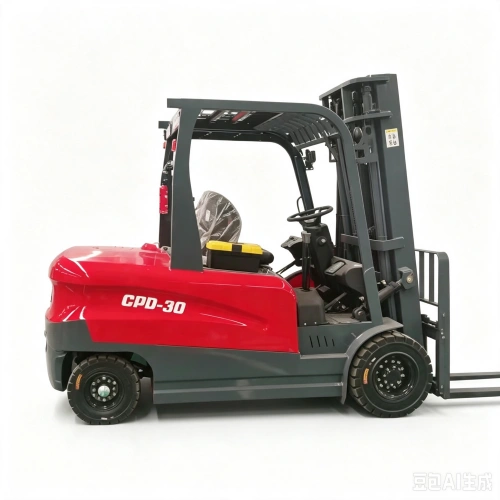
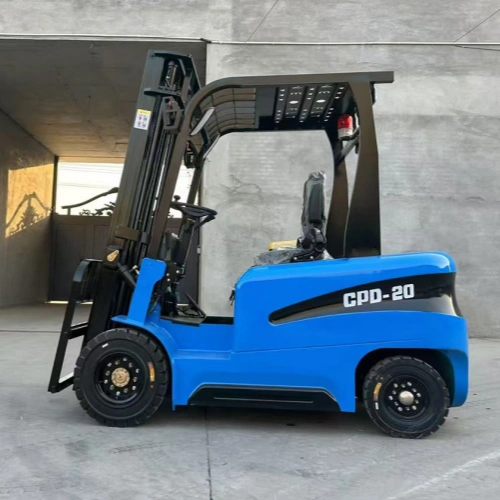
Choosing the right forklift truck directly determines your handling efficiency and long-term maintenance overhead. In real procurement, 80% of buyers confuse nominal load capacity with derated capacity at max lift height. Ignoring aisle width often results in buying equipment that cannot turn around inside the warehouse.
💡 Pro Tip: Measure the narrowest aisle width in your warehouse before buying. For standard stacking, make sure your aisle width leaves at least 300 mm of safety clearance beyond the turning radius.
Focus on these four key parameters during selection:
- Rated Load Capacity: Common specs range from 1 ton to 5 tons. If you handle heavy stone or excavator parts daily, pick a 5-ton fork truck.
- Mast Height: A standard 2-stage mast fits low-ceiling plants, while a 3-stage full-free mast is designed for container unloading.
- Power Source: Choose an electric forklift for indoor work, and go with a diesel forklift for outdoor heavy terrain.
- Turning Radius: Compact sites need a smaller turning radius to avoid hitting racks.
Where Is a Forklift Truck Used Across Modern Industry?
An efficient forklift truck clears bottlenecks in production and logistics fast. Based on direct user feedback from YG Machinery overseas clients, site demands vary significantly:
💡 Pro Tip: For mud or port operations, ask the factory to install dual front tires and a high-position exhaust. This cuts tire wear by 40% and prevents water intake.
- Warehousing & Logistics: Zero-emission electric forklift models dominate indoor stacking. Paired with lithium fast charging, they run 24/7 across three shifts smoothly.
- Factories & Job Sites: When moving rebar, cement, or raw materials, a heavy-duty diesel forklift delivers high torque and ground clearance on uneven dirt floors.
- Ports & Freight Hubs: Frequent container loading requires a heavy-duty Hydraulic System to sustain constant high-load lifting without overheating.
- Supermarkets & Wholesale Centers: Moving pallets in tight retail aisles requires a low-noise fork truck to keep the working environment quiet and safe.
Electric Forklift vs Diesel Forklift: Which Forklift Truck Fits Your Budget?
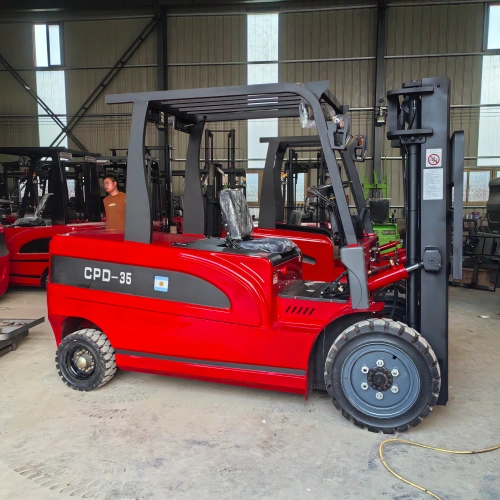
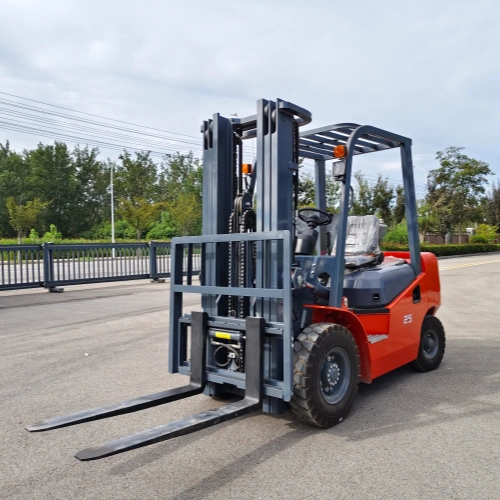
Buyers often focus only on the purchase price and ignore Total Cost of Ownership (TCO). Over 3 years of continuous operation, an electric forklift costs far less than a traditional fuel model.
💡 Pro Tip: If you run your machine over 6 hours daily, pay for lithium-iron phosphate batteries up front. The 20% higher purchase cost pays back within 2 years through fuel savings.
| Comparison Feature | Electric Forklift | Diesel Forklift |
| Upfront Purchase Cost | Higher (includes battery and charger) | Lower initial investment |
| Daily Energy Cost | Low electricity cost, saves up to 60% | Depends on diesel, prone to price spikes |
| Maintenance Expenses | Very low (no engine oil or filter swaps) | Higher (requires regular oil and filter changes) |
| Target Environment | Indoor warehouses, food plants, pharma | Outdoor job sites, ports, stone yards |
Real Case: How a Factory Upgraded Its Forklift Truck Fleet
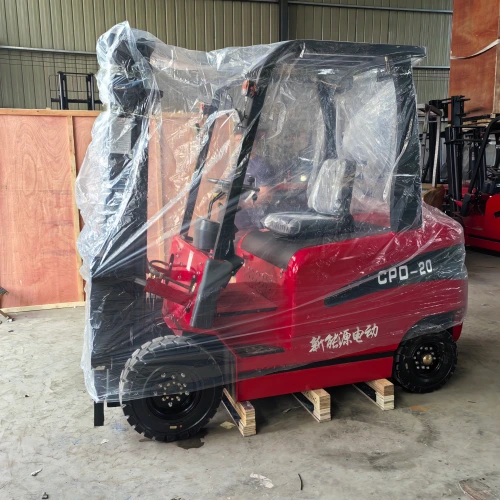
Last year, a machinery factory in Indonesia hit a serious logistics bottleneck. Their old diesel machine produced heavy smoke inside workshops, and frequent hydraulic leaks caused 18 hours of downtime every month.
💡 Pro Tip: Don’t scrap old machines for basic metal value. Ask your supplier for trade-in options or reuse the chassis as a stationary lifter.
YG Machinery delivered 3 units of 3.5-ton lithium forklift trucks to solve their bottleneck:
- The Problem: Bad indoor air quality, hard turns in narrow aisles, high monthly downtime.
- The Solution: Switched to a compact electric forklift with high-density lithium packs and a 2-hour fast charger.
- Actual Return: Air quality met standards, machine failure dropped by 75%, and fuel savings hit $4,200 per machine in year one.
Frequently Asked Questions Before Ordering a Forklift Truck
Q1: How long does a lithium battery last on an electric forklift?
Answer: Quality LiFePO4 batteries last over 3,000 charge cycles. With normal once-a-day charging, expect an 8 to 10 year lifespan with support for quick top-up charges.
💡 Pro Tip: Charge for 30 minutes during lunch breaks or shift handovers to add 3 to 4 extra working hours effortlessly.
Q2: What is the lead time and shipping cost for exporting a Forklift Truck?
Answer: Standard factory production takes 7 to 15 days. A standard 3-ton unit fits inside a 20ft container, cutting freight costs by 30% compared to open frame shipping.
💡 Pro Tip: Ask the factory to lower and secure the mast inside the container to pack extra spare parts safely.
Get a Factory Direct Quote for Your Next Forklift Truck
Whether you need a compact fork truck for indoor racking or a heavy diesel forklift for rugged job sites, YG Machinery provides factory-direct solutions tailored to your mast height and load requirements.
Contact our engineering team today to receive your custom quote and technical specs sheet!