When dealing with complex industrial and municipal sludge, environmental contractors and plant managers rarely face a simple single-machine choice; instead, they require a complete solid-liquid separation system. As an engineering machinery selection decision consultant at YG Machinery, my experience across overseas environmental projects shows that relying on a single standalone unit struggles to solve high-viscosity, fine-particle, or high-moisture challenges. This article utilizes condition-based decision logic to help you build an integrated system solution from front-end dredging to end-stage filter pressing.
Core Selection Tip: The essence of systematic treatment lies in the seamless coordination between front-end and back-end processes, ensuring material properties align perfectly with processing machinery.
Core Condition Breakdown: 7 Key Evaluation Dimensions
Before initiating project design, overseas buyers must first clarify 7 core boundary conditions, which directly dictate total return on investment:
- 1. What is your material?
- If your slurry contains heavy sand and coarse particles, then prioritize a preliminary coarse separation unit. If the sludge is municipal organic waste with high colloidal content, then chemical conditioning (such as PAM dosing) is mandatory before dewatering.
- 2. What is your required capacity?
- If your daily feed volume is below 20m³/h, then a standard modular unit is sufficient. If your processing target exceeds 50m³/h for continuous operations, then a heavy-duty industrial setup is required.
- 3. What is your working environment?
- If the jobsite is in a crowded urban municipal treatment plant, then a fully enclosed, odor-controlled system is necessary. If the project is in a remote mining area, then rugged durability against abrasive tailings takes priority.
- 4. How often will the machine move?
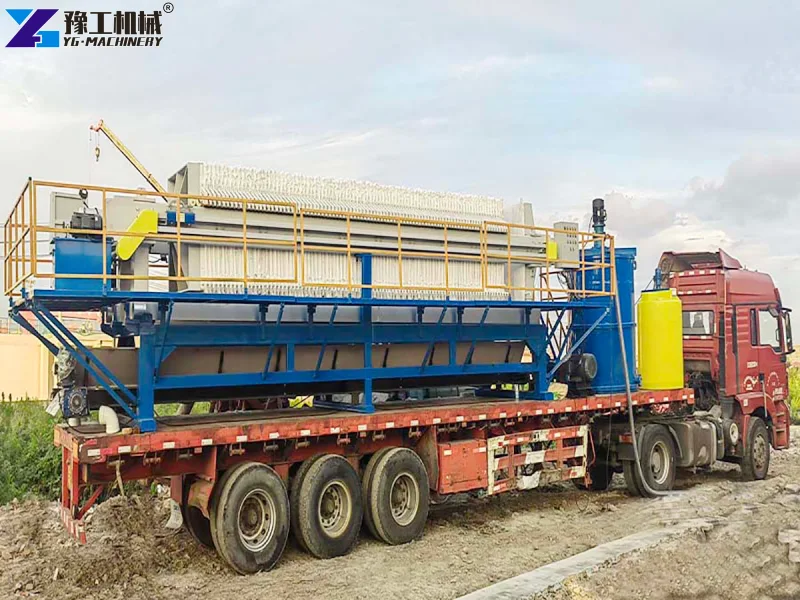
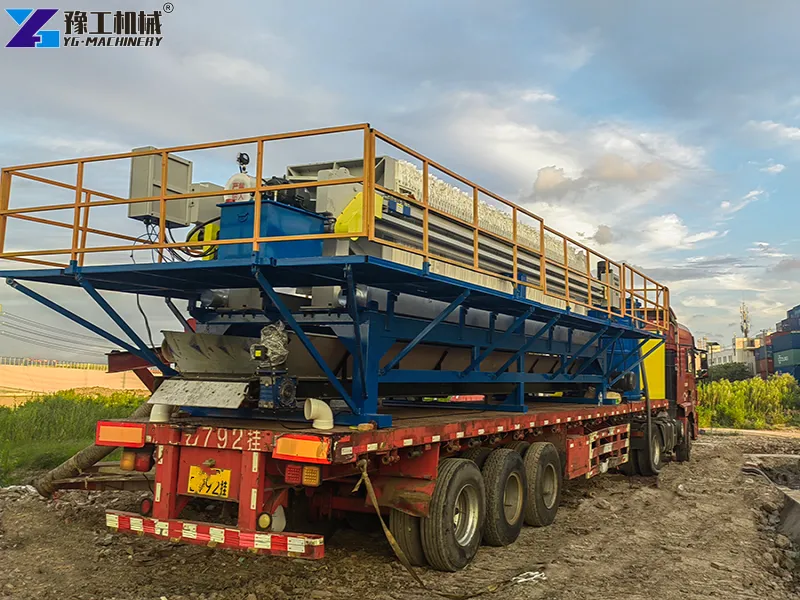
- If you move between sites frequently for river dredging, then consider a containerized or vehicle-mounted setup. If the facility is permanent, then a stationary plant layout is ideal.
- 5. What power source is available?
- If the jobsite lacks stable grid power, then choose a system equipped with an integrated diesel generator. If grid power is stable, then direct electrical connection is preferred.
- 6. What output or working depth is required?
- If strict environmental regulations demand cake moisture below 25%, then an advanced sludge dewatering filter press with membrane squeezing is non-negotiable. If dredging in deep water is required, then a specialized dredging robot must be deployed upfront.
- 7. What budget range is realistic?
- If your capital budget is tight, then phase the investment by starting with core separation and adding automated cake discharge later. If long-term labor savings are vital, then invest in full automation immediately.
Integrated Workflow: From Front-End Dredging to Ultimate Dryness
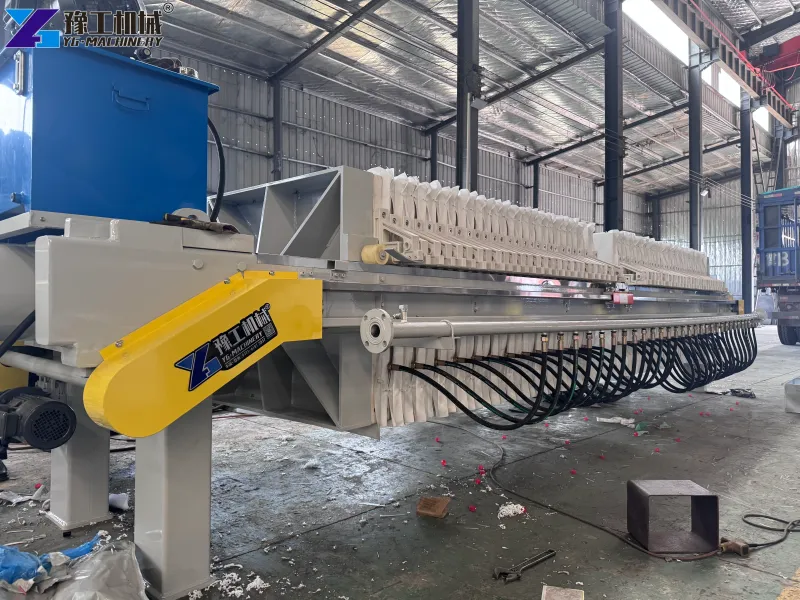
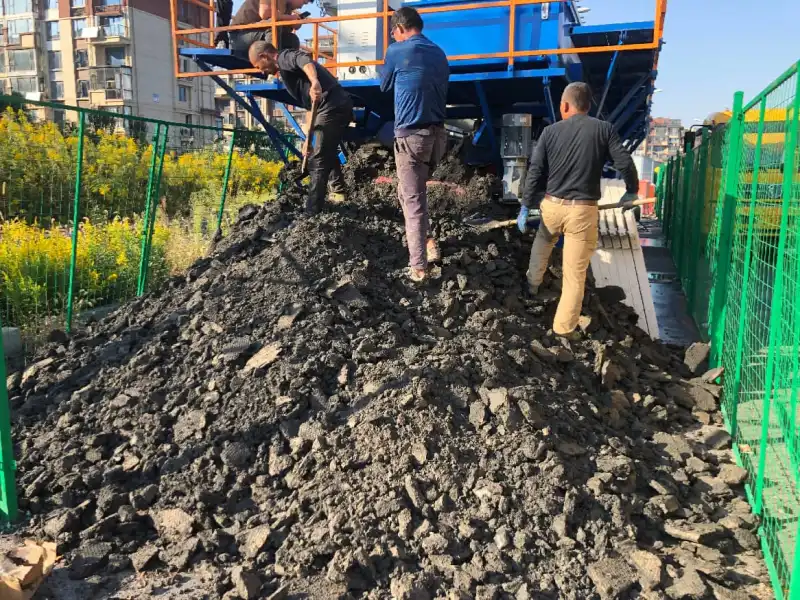
To achieve ultimate sludge drying and 100% clean water recycling, modern environmental engineering demands multi-machine collaboration.
- Action (Front-End Dredging): In river remediation or settling pond cleanup, deploy a dredging robot underwater to efficiently pump high-concentration sediment to the surface.
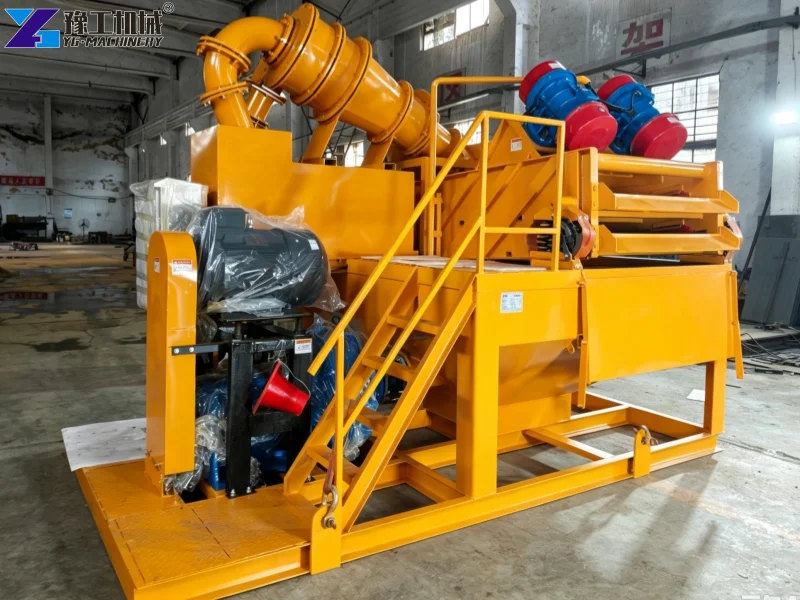
- Action (Mid-Stage Coarse Separation): Slurry enters a mud separation machine (such as cyclones or vibrating screens) to rapidly screen out coarse sand and stones, protecting downstream precision equipment.
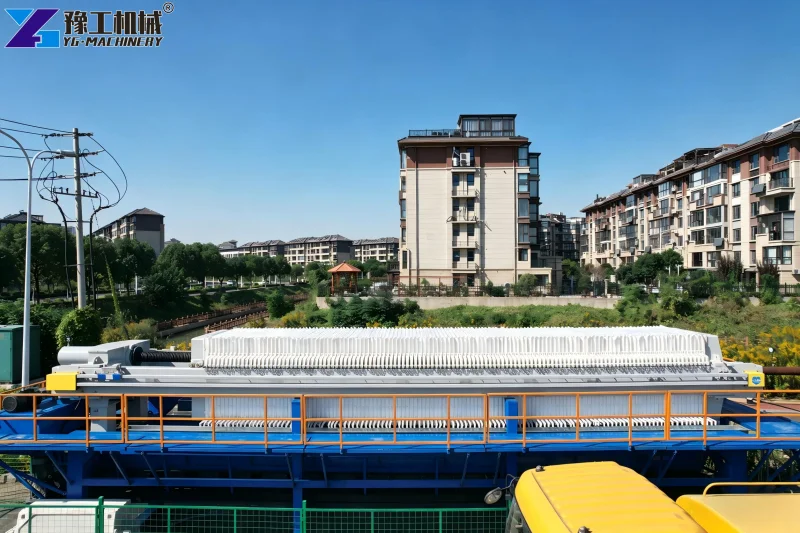
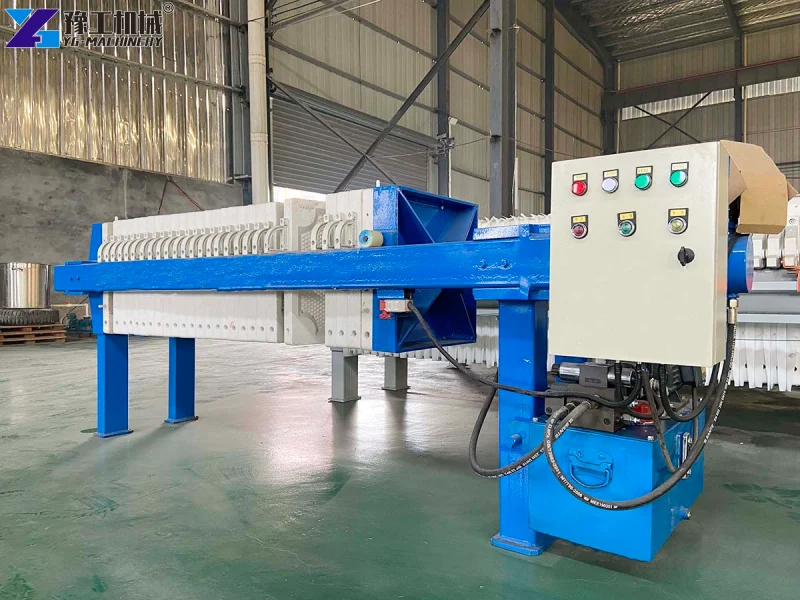
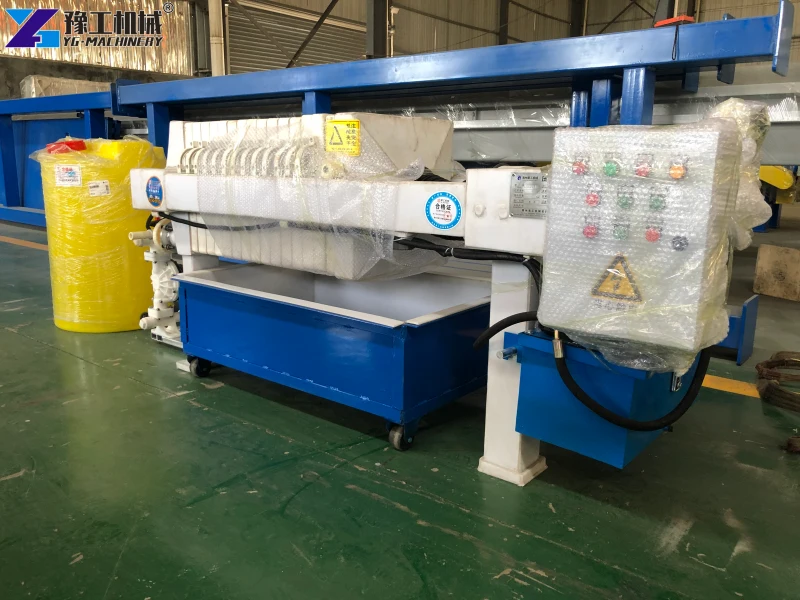
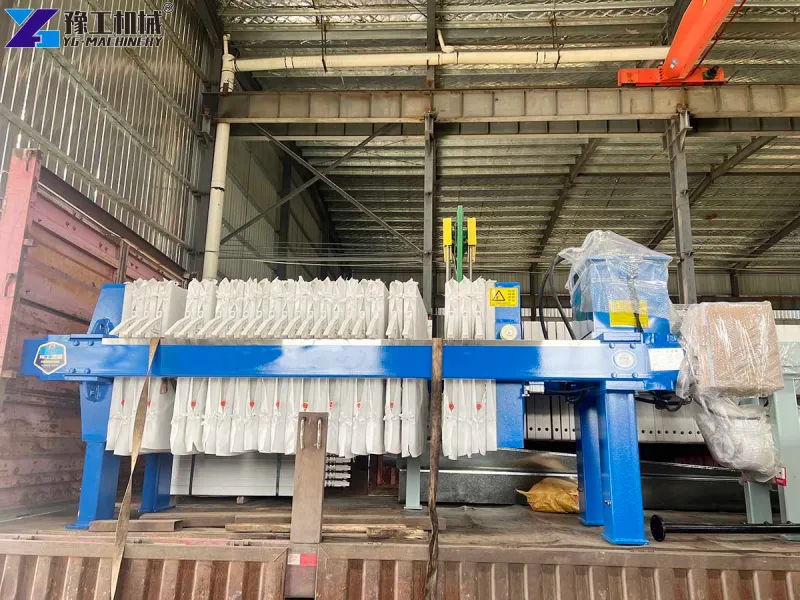
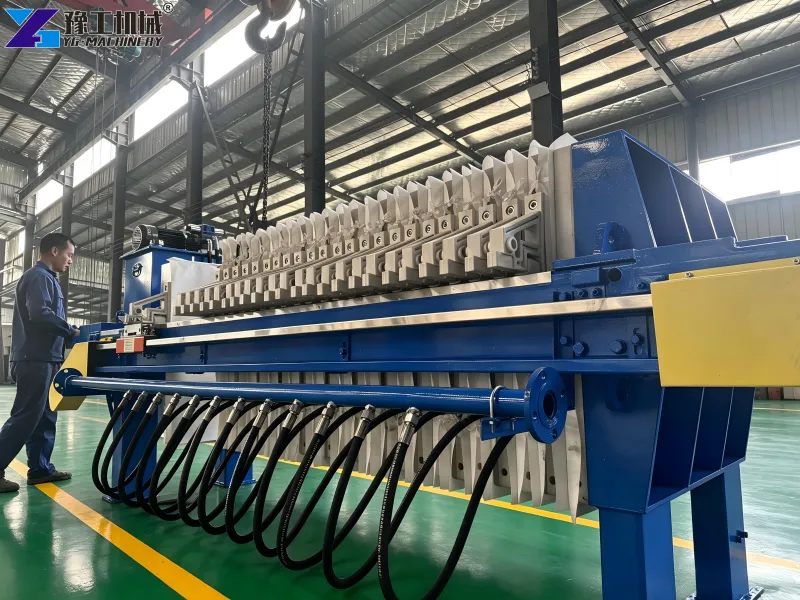
- Action (End-Stage Final Pressing): Pre-conditioned fine slurry flows into an efficient automatic filter press or sludge dewatering equipment for deep mechanical pressing, yielding dry cakes while filtrate is recycled for upfront washing.
Selection Tip: Multi-stage integration not only protects press systems from large abrasive particles but also dramatically extends filter cloth lifespan.
Sludge Dewatering Solution Decision Tree
To quickly identify your ideal system configuration, refer to the following decision pathway:
[Start: What is your project scenario?]
 ├── River Dredging & Urban Cleaning
 │    ├── If site mobility is high → Deploy [dredging robot] + mobile [sludge dewatering equipment].
 │    └── If stationary plant → Deploy fixed [mud separation machine] + [automatic filter press].
 └── Industrial & Municipal Wastewater
      ├── If strict moisture target (<25%) → Select high-pressure membrane [filter press for sludge dewatering].
      └── If high oil/grease content → Add chemical conditioning + robust [sludge dewatering filter press].
Call to Action
Ready to upgrade your solid-liquid separation and sludge drying systems? Contact the YG Machinery engineering team today to secure customized technical proposals, capacity calculation sheets, and official pricing. Let us help your environmental projects achieve high compliance and low operational costs!