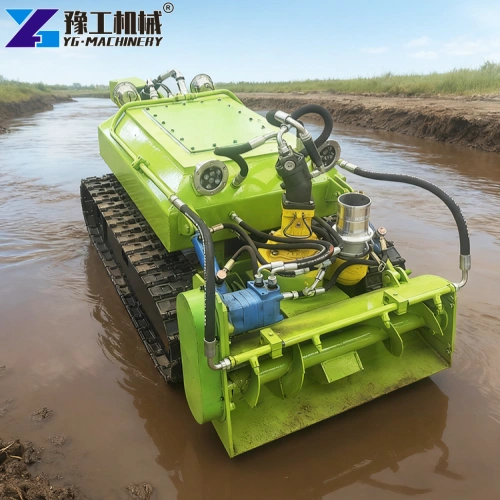
As an overseas mechanical consultant, I have seen many companies struggle with manual cleaning. It is not only dangerous but also incredibly inefficient. The core logic of a clean bulk tank with robot is simple: keep humans out of the danger zone. By using high-pressure jets or rotating blades, these robots break down sediments and pump them out. It ensures OSHA compliance and allows for tank maintenance without removing the tank roof.
Pro Tip: Always analyze sediment viscosity before deployment; it dictates the required torque for your cleaning head.
Troubleshooting: Why is Your Tank Cleaning Robot Underperforming?
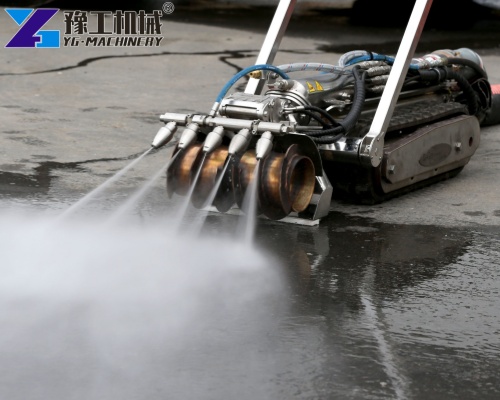
Most efficiency issues are not equipment failures but operational oversights. Here is what I see in the field:
- Clogged Nozzles: Debris blocks flow. Fix: Flush your system with high-pressure water for 10 minutes after every job.
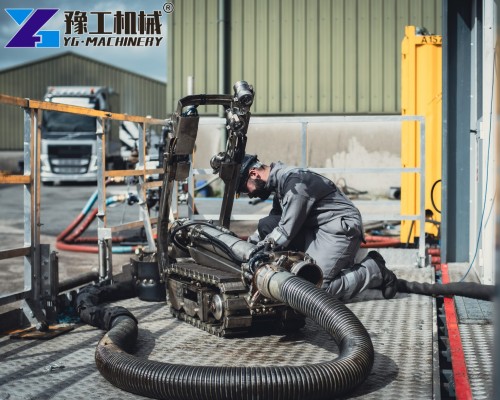
- Cable Entanglement: Common when operating an oil tank cleaning robot in confined spaces. Fix: Always use a floating cable guide.
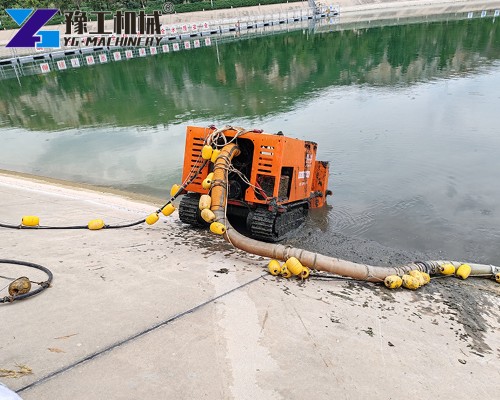
- Insufficient Suction: When dealing with high-density sludge, a standard pump is not enough. You might need a specialized dredging robot to maintain flow.
Common Misconceptions: Stop These Costly Mistakes!
- Misconception 1: One size fits all. Cleaning a cooling tower basin is vastly different from clearing a heavy crude oil storage tank.
- Misconception 2: Ignoring blind spots. Robots are powerful, but for complex corners, operators need to adjust the angle manually.
- Misconception 3: Overlooking lubrication. Like a heavy-duty wastewater sludge removal robot, these units need oil changes every 500 operating hours to prevent gearbox failure.
Case Study: How a German Chemical Plant Solved Its Sludge Crisis
Last year, I helped a chemical client deal with two years of compacted solid residue. Their previous attempts had failed. We provided a customized solution to clean bulk tank with robot technology, featuring special shredding blades. They managed to clear the tank without opening the explosion-proof doors, reducing total downtime by 70%. The lesson? The right configuration turns impossible tasks into routine maintenance.