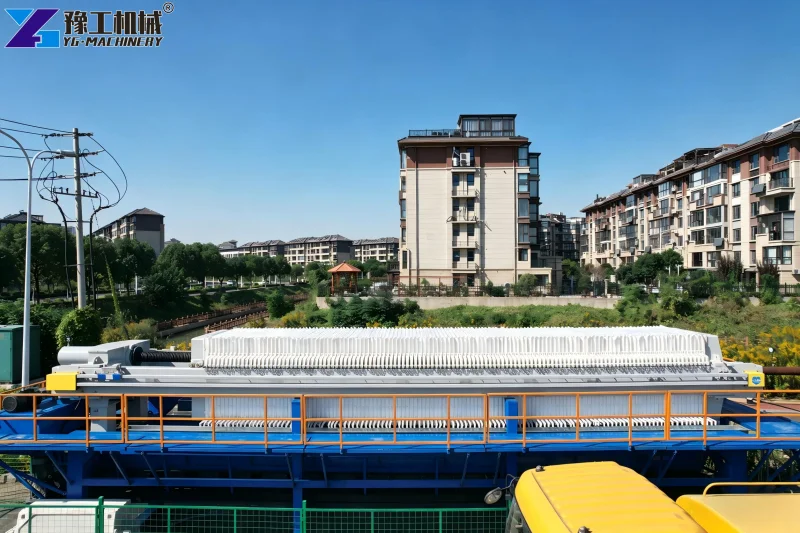
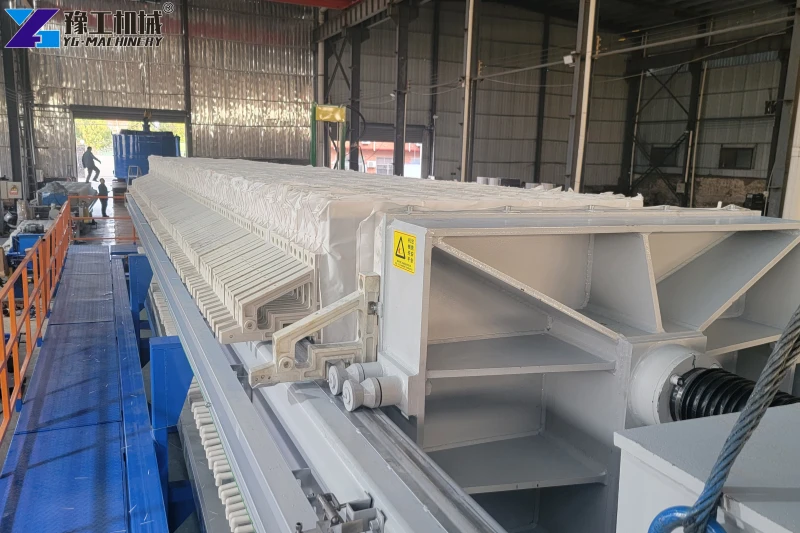
An automatic filter press is a high-efficiency solid-liquid separation machine that uses hydraulic pressure (20 MPa) and automated plate-shifting carriages to dewater slurry. It reduces manual labor, achieves high cake dryness, and handles capacities up to 80m³/h feed input for construction mud, tailings, sand washing, and wastewater treatment.
What Is An Automatic Filter Press?
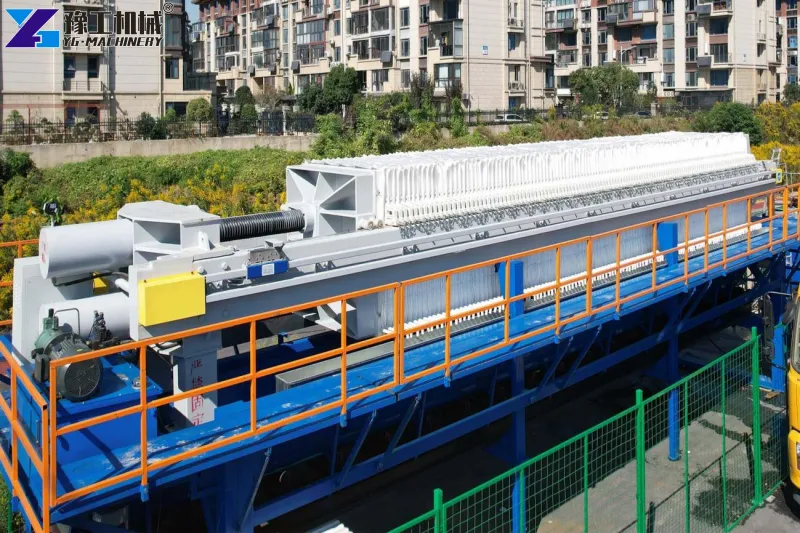
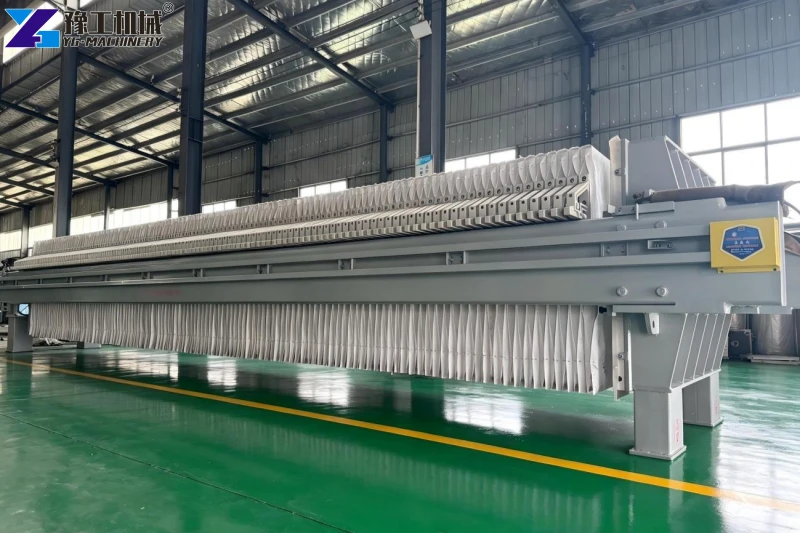
An automatic filter press (also known as a program-controlled plate and frame filter press) is an intermittent dewatering unit. It consists of a heavy-duty steel frame, polypropylene filter plates, high-tensile filter cloths, a hydraulic station, and a PLC-controlled automatic plate-shifting system. It pumps slurry into sealed chambers under 0.6 MPa filtration pressure, traps solids into dry cakes, and discharges clean filtrate.
Who Should Use An Automatic Filter Press?
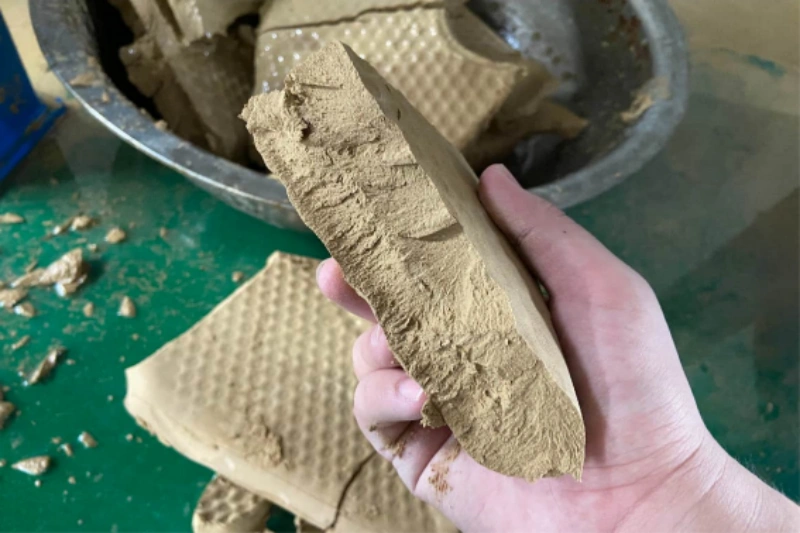
- Piling & Shield Tunnelling Contractors: Need on-site mud dewatering to prevent environmental fines and reuse clean water.
- Sand & Stone Washing Plants: Require high-volume mud separation and water recycling (12-70m³/h effluent).
- Mining & Tailings Processing Facilities: Seek fast slurry dewatering with minimum labor cost.
- River Dredging Projects: Operate mobile dewatering systems paired with a dredging robot or mud separation machine.
- Industrial & Municipal Wastewater Plants: Demand continuous 24/7 dewatering with automated cake discharge.
Automatic Filter Press Parameter
| Model | YG100-1000 | YG250-1250 | YG500-1500 |
| Filter Chamber Volume | 1500L | 3750L | 7500L |
| Filtration Area | 100㎡ | 250㎡ | 500㎡ |
| Clamping Pressure | 20 MPa | 20 MPa | 20 MPa |
| Total Machine Mass | 6628 Kg | 14288 Kg | 30288 Kg |
| Filtration Pressure | 0.6 MPa | 0.6 MPa | 0.6 MPa |
| Number of Filter Plates | 57 | 91 | 123 |
| Number of Filter Chambers | 58 | 92 | 124 |
| Filter Plate Specifications | 1000*1000*60 | 1250*1250*65 | 1500*1500*65 |
| Number of Filter Cloths | 57+1 | 91+1 | 123+1 |
| Overall Dimensions | 5780*1500*1400 | 8745*1850*1600 | 11820*2100*1820 |
What Capacity Do You Need?
- If your feed input rate is 8-20m³/h (e.g., small piling/sand washing), then choose YG100-1000 (100㎡ area, 1500L volume).
- If your feed input rate is 15-45m³/h (e.g., medium tailings/river dredging), then choose YG250-1250 (250㎡ area, 3750L volume).
- If your feed input rate is 30-80m³/h (e.g., large-scale sand washing/tunnel mud), then choose YG500-1500 500㎡ area, 7500L volume).
How Much Does Automatic Filter Press Cost?
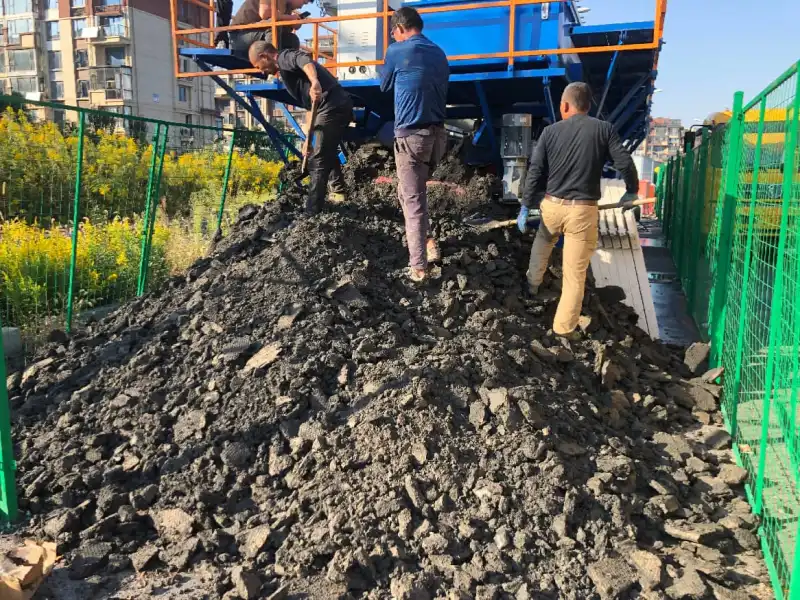
Prices for standard filter press equipment generally start from basic hydraulic units around $6,500–$13,000 up to automated industrial systems exceeding $39,000–$65,000, driven by the following factors:
- Filtration Area & Plate Model: Larger plates (1500mm vs 1000mm) and higher plate counts require thicker steel frames and larger hydraulic cylinders.
- Automation Upgrades: PLC-controlled auto-shifting carriages, automatic liquid collection drip trays, and auto-cloth washing systems add 20%–40% to the equipment cost.
- Plate Material & Type: Reinforced polypropylene chamber plates are cost-effective, while diaphragm/membrane squeezing plates or cast-iron plates increase baseline costs.
- Auxiliary Equipment: Feed slurry pumps, air compressors, drip trays, and belt conveyors increase overall package pricing.
What Are The Main Limitations?
- Intermittent Batch Operation: Cannot discharge cakes continuously like a centrifuge or belt press; requires cyclic feeding, pressing, and opening.
- Higher Initial Footprint: Standard units (e.g., 11.8m length for YG500-1500) require a large flat ground layout.
- Cloth Maintenance: Sticky or oily mud requires high-pressure washing every 50-100 cycles to maintain flow rate.
How Do You Choose?
- If slurry contains viscous fine clay, then opt for polypropylene chamber plates with automatic cloth-flexing devices.
- If labor cost is high, then choose full PLC program control with automatic plate pulling and drip trays.
- If the site requires frequent relocation, then choose a trailer-mounted mobile unit.
- If minimum cake moisture (<20%) is mandatory, then choose a high-pressure diaphragm membrane squeeze system.
- If working with highly corrosive liquids, then specify stainless steel cladding on main beams.
Common Questions
Chamber presses use recessed plates forming chambers directly, handling higher filtration pressures (0.6–1.0 MPa) with easier cake discharge. Plate and frame presses use alternating flat plates and hollow frames, suited for paper filtering or fine polishing.
A standard cycle takes 30 to 60 minutes, including hydraulic clamping (1–2 min), feeding & filtration (20–40 min), pressure release (1 min), and automatic plate pulling/cake discharge (5–10 min).
Yes. In river dewatering or municipal dredging, a dredging robot pumps slurry into a mud separation machine or shale shaker to remove coarse sand, after which the fine slurry is fed into an automatic filter press for solid cake formation.
Choose a dedicated dual-impeller slurry pump or plunger pump that provides high flow at low initial pressure, then automatically transitions to high pressure at low flow as cakes form.
Solid mud cakes typically reach 20% to 30% moisture content depending on slurry properties and chemical conditioning (e.g., PAM/lime addition).
Final Recommendation
For high-capacity, low-labor slurry dewatering, select an automatic filter press with reinforced polypropylene plates and PLC control. Choose YG100-1000 for compact sites (100㎡), YG250-1250 for mid-sized processing (250㎡), or YG500-1500 for large-scale mining and aggregate mud separation (500㎡). Contact YG Machinery engineers to calculate your exact hourly tonnage.