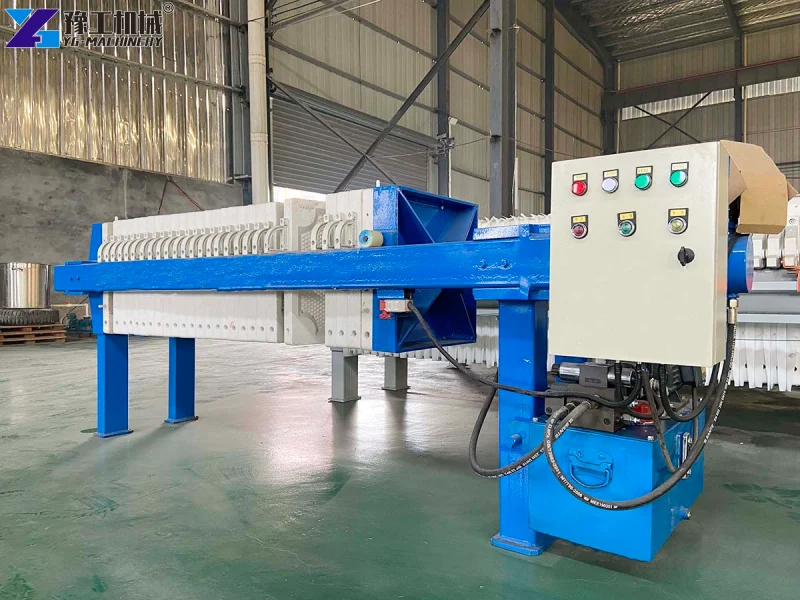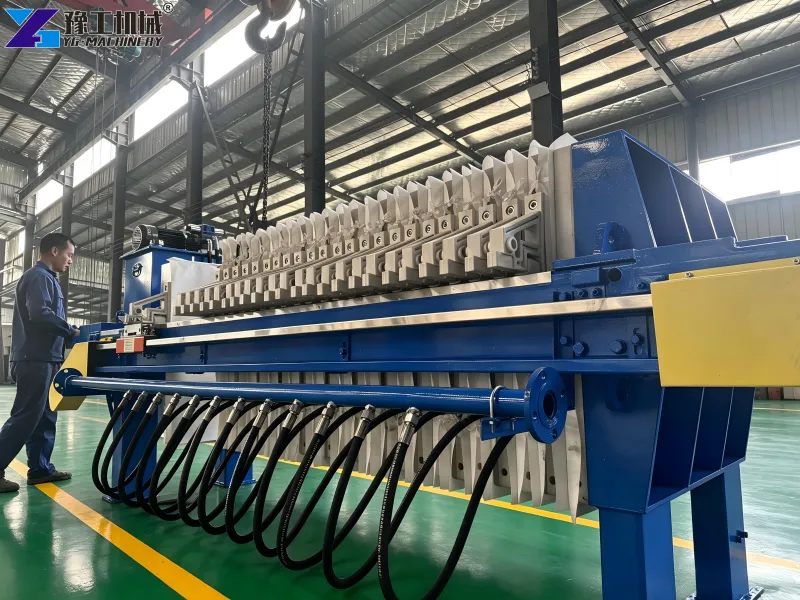
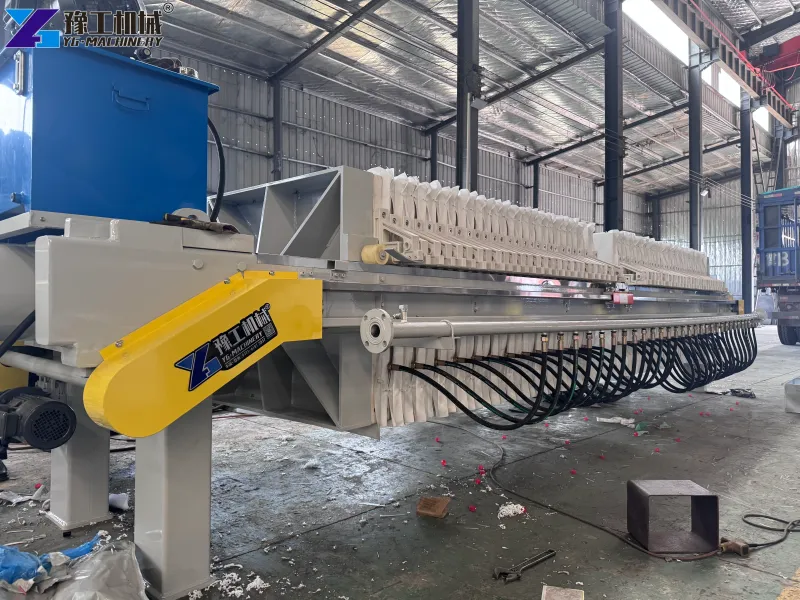
When dealing with industrial tailings, sand washing mud, or municipal sludge, many overseas buyers often struggle to choose between traditional dewatering units and modern configurations. As an engineering machinery selection consultant at YG Machinery, my years of overseas project experience indicate that selecting the wrong filter press type leads not only to high filter cake moisture but also to inflated downstream transportation and drying costs. This article deeply analyzes the core differences between a membrane filter press and traditional plate and frame filtration to help you make a scientific decision.
Selection Tip: In the preliminary budgeting stage, avoid blindly chasing the lowest equipment purchase price. Instead, treat “filter cake moisture content” and “total cost of ownership (ROI)” as your core evaluation metrics.
Core Principles & Structural Differences: Why Does a Membrane Filter Press Excel in Deep Dewatering?
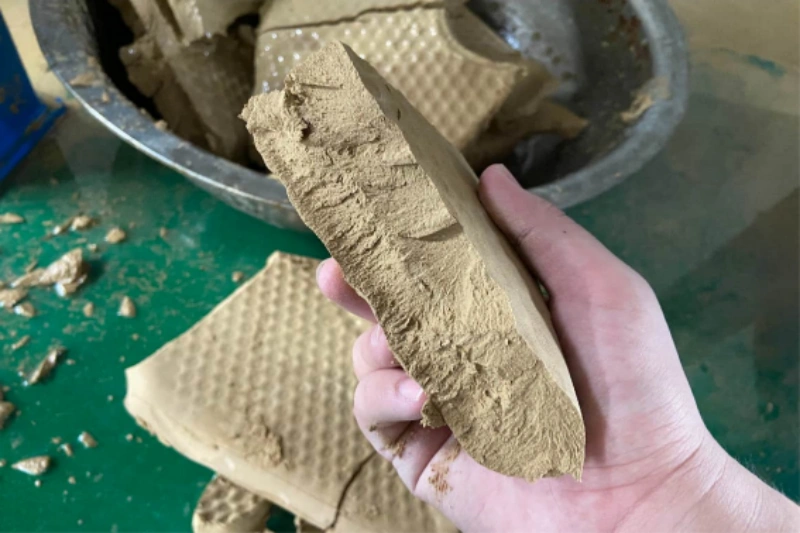
Traditional plate and frame filtration relies on fixed-volume filter chambers, depending primarily on feed pump pressure for solid-liquid separation. As an advanced variant of the standard automatic filter press, a membrane filter press incorporates expandable flexible diaphragms (typically made of TPE or rubber) onto the filter plates.
Once the initial feeding and filtration cycle completes, high-pressure air or water (usually 1.0–1.6 MPa) is injected behind the membranes to perform secondary squeezing on the filter cake. This mechanical squeezing forcibly expels capillary-bound water inside the cake, significantly reducing moisture content by 10% to 15%.
Selection Tip: If your slurry exhibits high viscosity, fine particle size, or requires a strict final cake moisture level below 25%, a membrane squeezing system should always take priority.
Industry Application Scenarios and Model Matching
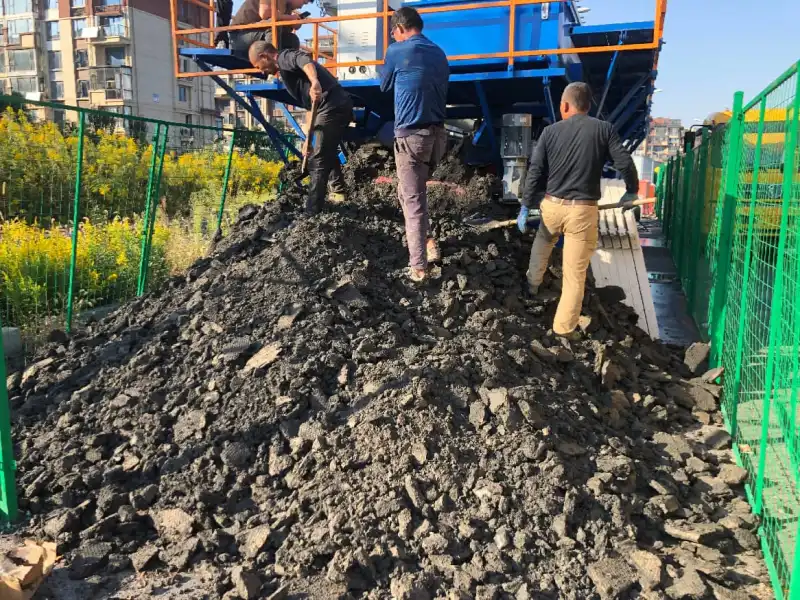
Different working conditions demand distinct dewatering performance profiles. Here is our field-tested scenario matching rule:
- Aggregates & Construction Piling Mud: Features high throughput and coarse mineral grains. Where space is limited and efficiency is prioritized, an automatic filter press equipped with automated plate-shifting devices is recommended to enable rapid water recycling.
- Mining Tailings & Kaolin Processing: Tailings slurries feature high fineness and strong stickiness. Utilizing a membrane filter press here drastically mitigates environmental risks and cuts down tailing storage footprint.
- High-Concentration Organic Sludge & Chemical Effluent: A classic hard-to-dewater application requiring high-pressure membrane secondary compression to break down colloidal structures.
Selection Tip: Prior to equipment procurement, conducting a lab-scale filtration test to determine specific resistance and compressibility coefficients prevents mismatched sizing.
Real-World Case Study: How Overseas Customers Lower Costs via Scientific Selection
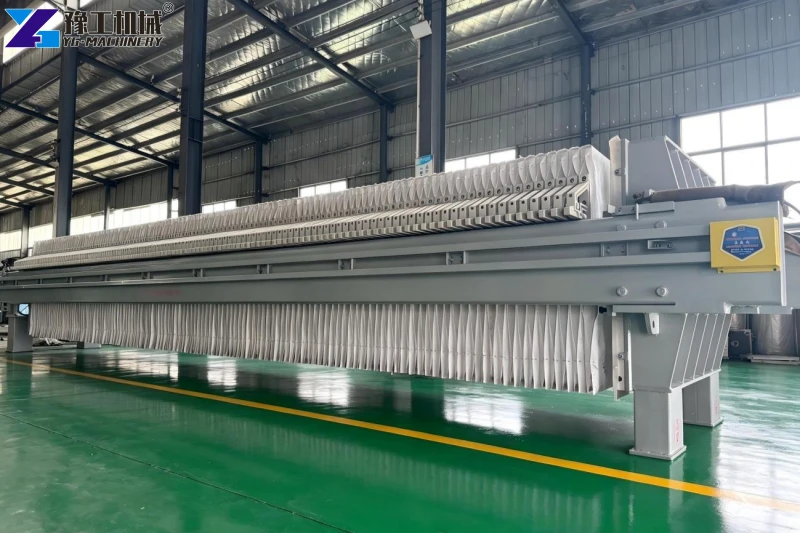
In international engineering practice, precision selection yields immediate and measurable benefits. Taking our YG Machinery project delivered in 2025 to a large quarry in Manila, Philippines, as an example: the client previously operated a standard chamber filter press, resulting in a high cake moisture content of 38%–42%, frequent hauling trips, and steep logistics expenses.
After our technical team re-evaluated their parameters, we replaced their setup with a membrane filter press integrated with high-pressure rubber membranes. Post-commissioning, the filter cake moisture stabilized between 22% and 25%, shortening single-cycle operation time by 20% and saving the client nearly 35% in cake disposal and landfill expenses.
Selection, Pricing, and Working Condition Q&A
Due to the integration of membrane plates, high-pressure fluid control systems, and PLC automation upgrades, initial acquisition costs are typically 20% to 35% higher. However, factoring in minimized downstream drying and water reuse savings, the return on investment (ROI) is generally achieved within 6 to 12 months.
The core focus lies in filter cloth selection and routine maintenance of high-pressure air/water sources. Prevent uneven loading across membrane chambers under extreme pressure and ensure feed slurries are free from large, coarse foreign particles that could cause blockages.
You only need to provide our engineering team with your daily processing capacity (m³/h), slurry solid content (%), and target final cake moisture threshold. We will subsequently deliver a customized technical proposal and rigorous selection calculation sheet.
Related posts:
A Day on the Jobsite: The Mobile Filter Press Operational Workflow
Automatic Filter Press
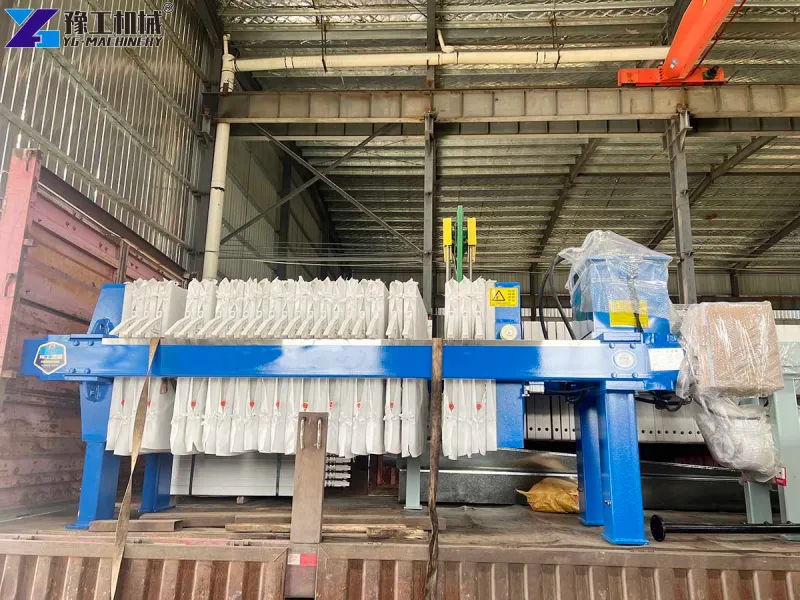
Industrial & Municipal Sludge Ultimate Dewatering Solutions
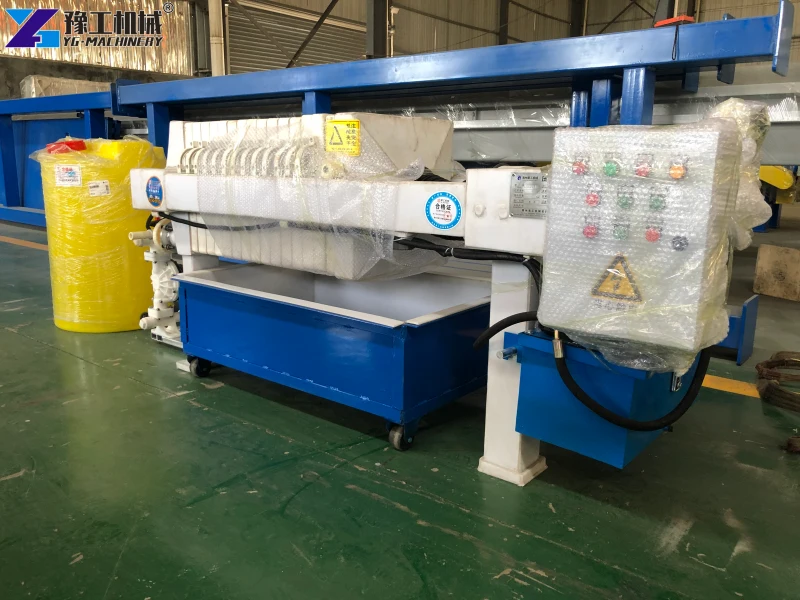
Breaking the Urban Piling & Tunneling Mud Deadlock: A 500m² Piling Mud Filter Press Case Study
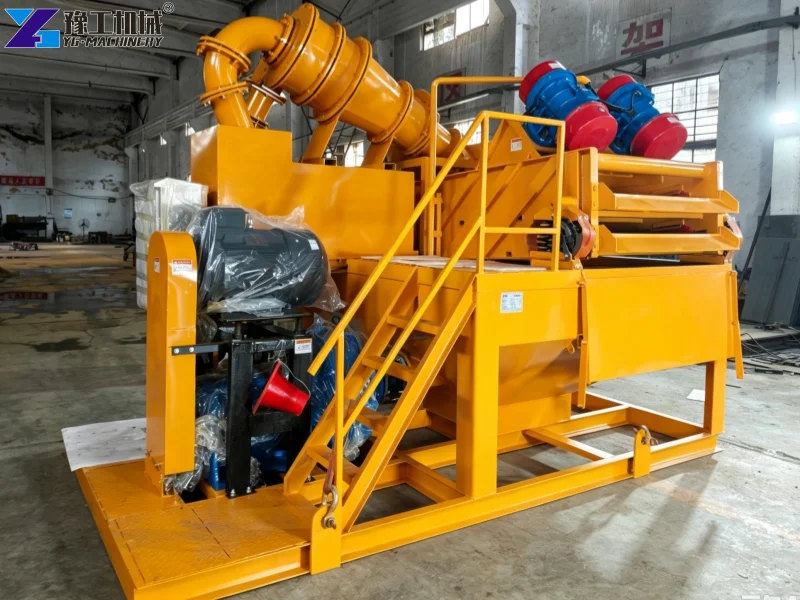
Comprehensive Guide to Modern Industrial Desanding Plant