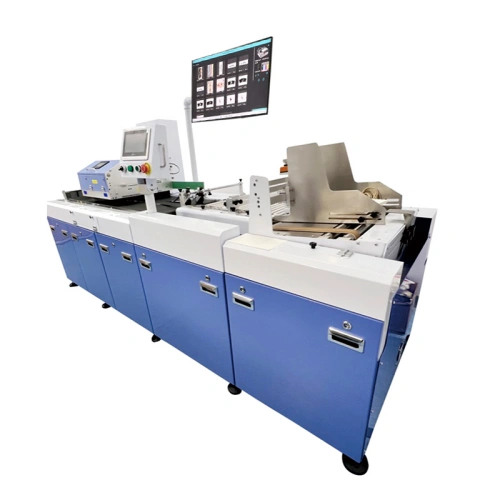
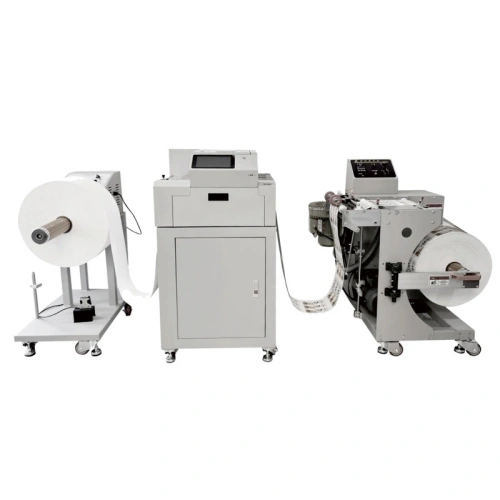
Selecting the right digital printing machine for your plant can prevent tens of thousands of dollars in wasted capital. Today, the digital segment in packaging and commercial printing is growing at over 8% annually. For procurement agents and plant managers, understanding machine types, cost per page, and material fit is crucial for controlling risk and protecting margins.
In this guide, we break down selection rules, key specs, and real performance gaps between digital presses and traditional flexo setups.
Digital Printing Machine Parameter:
| Function | Printing, Laminating, die cutting, waste collecting, stripping, winding |
| Ink type | water-based pigments |
| Ink color | CMYK |
| Raw material | Matte paper, synthetic paper, glossy paper, high-gloss paper, PET, PE |
| Resolution | 1200x1200dpi |
| Printing interface | USB, Ethernet, and external I/0 interfaces |
| Printing speed | 5.1m/min |
| Graphic cutting speed | 10-700mm/s |
| Print width | 211.9mm |
| Paper thickness | 300g |
| LCD | 2.7 INCH colorful |
| Graphic cutting pressure | 0-600g |
| Minimum cutting character | 5mm*5mm |
| Paper input capacity | ≤1000m |
| Paper feed roller size | ≤210mm |
| Maximum diameter of the paper feed roller | 500mm |
| Maximum diameter of the laminating roll | 300mm |
| Maximum winding diameter | 300mm |
| Maximum diameter of waste reel | 300mm |
| Die cutting accuracy | ≤0.02mm |
| Machine size | 2150*860*1400mm |
| Cutting machine connection method | USB interface |
| Software and compatibility | Compatible with Windows 7, 8, 10, 11 (applicable to USB interface) |
| Voltage | 100VAC-120VAC, 200VAC-240VAC,50/60Hz |
| Power | Cutting machine 350W, printer 200W, thermostat 2100W |
Why Is the Digital Printing Machine Changing Packaging Production?
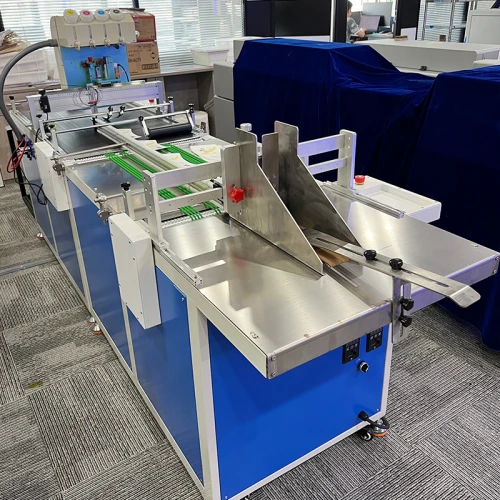
Because digital technology eliminates plate making and cuts lead times for short runs by over 70%. Traditional presses take hours for setup and plate mounting. In contrast, a digital printing machine imports digital files directly to start printing. This makes it cost-effective for short runs under 1,000 units and rapid proofing.
It also handles Variable Data Printing (VDP). Plants can print unique QR codes, barcodes, or custom graphics on every single label or package without dropping speed.
Pro Tip: If your plant switches print jobs dozens of times daily, go digital. It saves huge setup waste and labor costs.
What Are the Differences Between Common Digital Printing Machine Types?
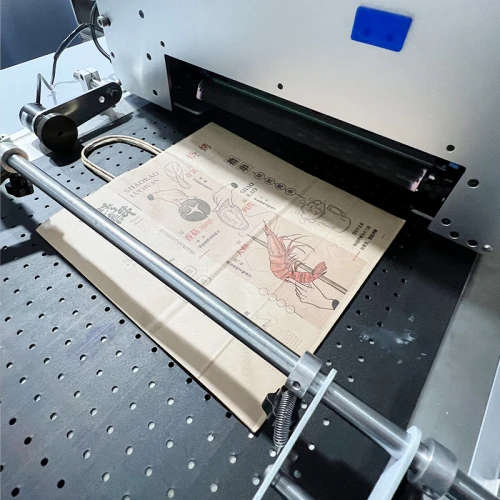
The main differences lie in inkjet technology, curing methods, and target substrates. Common setups include:
1. Roll-to-Roll Digital Label Printer
Designed specifically for pressure-sensitive labels, films, and paper webs. It uses high-precision UV or water-based inkjet systems for tight registration. It is ideal for short-run labels and supports inline trimming.
2. Paper Cup Digital Printer
Optimized for fan-shaped paper cup stock, bowls, and food wrappers. These units use fast-curing, food-grade inks to deliver crisp, high-color prints on heavy paperboard.
3. Corrugated Digital Printer
Uses Single-Pass or Multi-Pass inkjet technology to print directly onto corrugated board. It removes laminating steps and helps box plants deliver e-commerce packaging quickly.
Pro Tip: When printing paper cups for food, check that the ink carries food-contact safety certification to avoid environmental or safety fines.
What Are the Real-World Applications for a Digital Printing Machine?
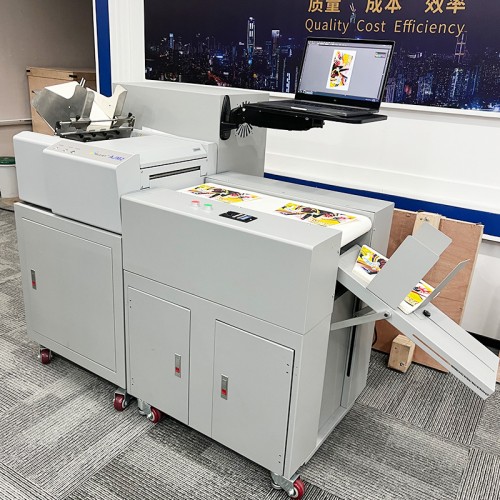
Different industries demand different machine specs. Common production scenarios include:
- Custom Cups & Food Packaging: Used for short-run custom paper cups and bowls for pop-up shops or coffee chains with mixed designs.
- Adhesive Labels & Wine Labels: Used for detailed labels featuring variable barcodes, tracking codes, and custom artwork.
- E-commerce Shipping Boxes: Used for short-run corrugated boxes without plates, letting brands test new markets fast.
- Proofing & Urgent Replenishment: Used for pre-production samples or filling quick shortages during mass production runs.
How to Choose Between a Digital Printing Machine and a Flexo Printing Machine?
The choice comes down to order volume and unit delivery cost.
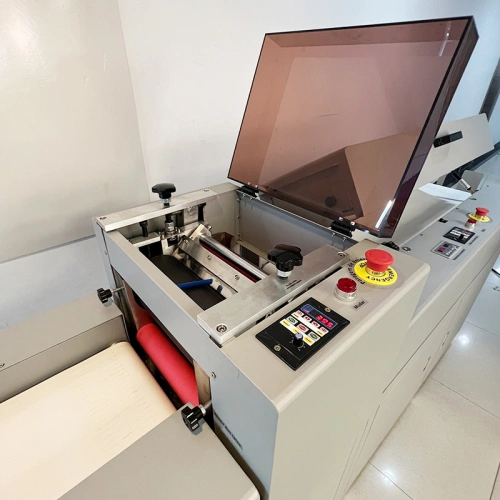
A digital printing machine wins on short runs under 2,000 units. It needs no plates, wastes almost no setup material, and offers fast turnaround. However, on massive orders, high digital ink costs make it more expensive per page than conventional equipment.
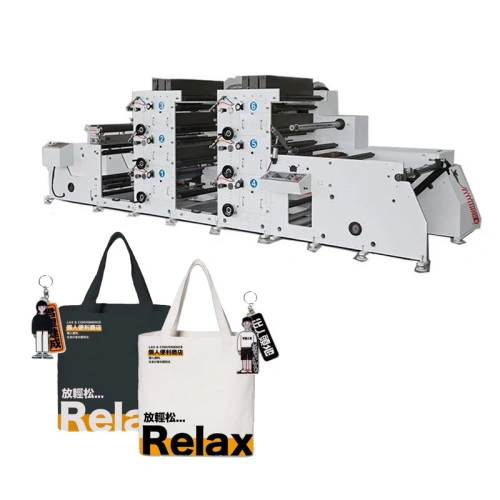
In contrast, a flexo printing machine delivers unmatched speed and cost savings on long runs over 5,000 units. Plate making requires upfront time and money, but running speeds are faster and unit costs drop on big runs.
Pro Tip: High-profit plants run short, high-margin jobs on digital presses and leave massive runs to flexo presses.
Real Client Case: How a Middle Eastern Plant Doubled Order Intake with Digital Tech
Last year, a packaging plant owner from the UAE contacted our engineering team. His plant used to print paper cups for large supermarket chains. As local food brands grew, customers began asking for short custom runs between 500 and 2,000 units. Changing plates on old presses took 2 hours, making small jobs unprofitable and causing lost sales.
The Solution: We evaluated his production structure and recommended a high-precision digital printing machine built for fan-shaped cup blanks, complete with inline drying and web-guiding units.
The Outcome: After setup, setup prep time for short runs dropped from 2 hours to under 5 minutes. Material waste during job changes fell by 90%. The plant added over 40 new custom clients in 3 months, boosting monthly profits on short jobs by 42% and recovering machinery costs within six months.
Pro Tip: When running digital inkjet presses in hot climates, install climate control in your shop to prevent printhead clogging.
Frequently Asked Questions (Q&A)
Industrial printheads (like Kyocera or Ricoh) last 2 to 4 years under proper maintenance and genuine ink usage. Regular flushing and using matched cleaning fluids are key to long life.
This happens due to low surface tension or incomplete ink curing. Add a Corona treatment unit before printing or use a dedicated Primer to boost ink adhesion.
Digital machines lack complex mechanical drive gears, so mechanical breakdowns are rare. Long-term costs center on printhead care and ink. Following vendor guidelines keeps maintenance costs predictable.
Summary: How to Execute Your Purchase Plan
Buying a digital printing machine comes down to knowing your order profile. If your plant handles custom, short-run, fast-turnaround jobs, digital equipment opens up immediate business opportunities.
If you plan to build or upgrade a digital printing line, reach out to the engineering team at YG Machinery. We provide equipment advice, free sample printing, and full technical training.