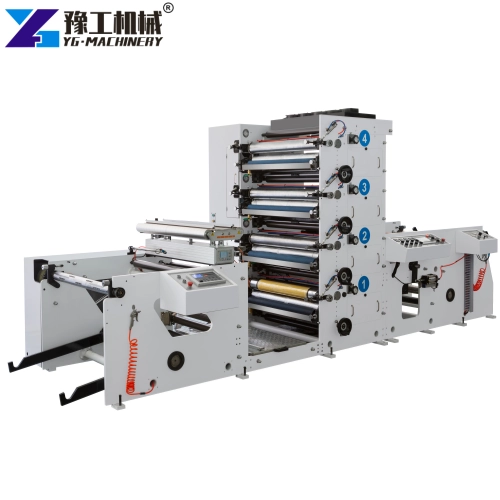
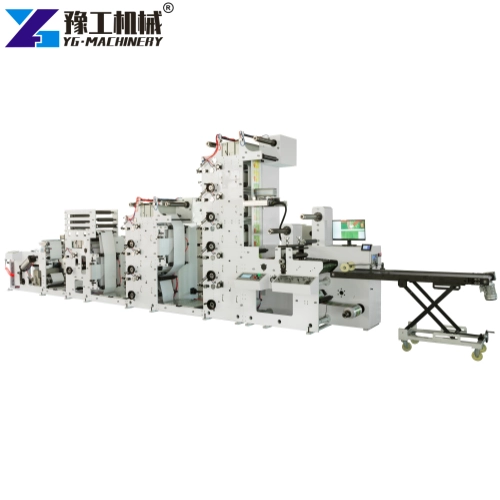
Stack flexo printing presses are widely used in flexible packaging production. Buying the right stack flexo printing machine comes down to matching substrate tension with web width. Compared to large CI presses, stack models offer a compact footprint and over 30% lower purchase and maintenance costs. Let us dive straight into the key purchasing takeaways.
Why Choose a Stack Flexo Printing Machine for Your Plant?
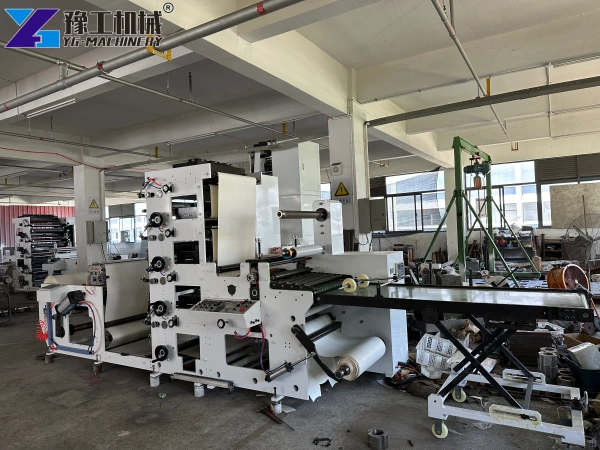
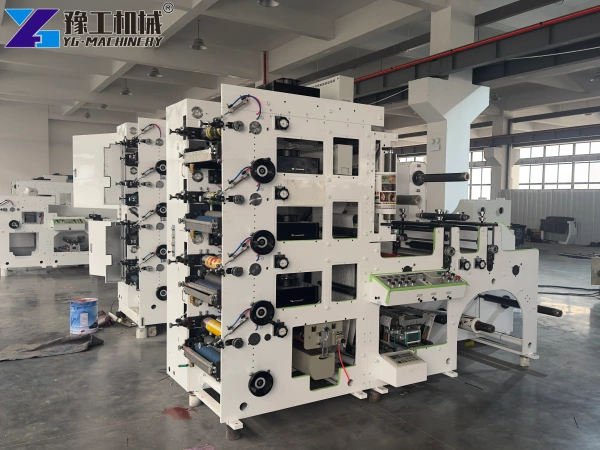
A stack flexo press uses vertically stacked color units, which saves a lot of floor space in your workshop. Typical production speeds range between 40 and 150 m/min, making it ideal for quick changes on short-to-medium runs. The independent unit structure allows operators to change plates and adjust ink quickly from one side.
💡 Pro Tip: Check your ceiling height! Stack machines build upwards, usually standing between 2.6 and 4 meters high. Don’t wait until delivery to find out it hits your ductwork.
What Applications Suit a Stack Flexo Printing Machine Best?
A stack flexo printing machine offers great material adaptability across various industrial and commercial packaging setups.
- Plastic Film Packaging: Works great as a pe film flexo printing machine for shrink films and pouch bags, or as a plastic bag flexo printing machine for T-shirt bags.
- Non-Woven Bags: Operates efficiently as a non-woven bag flexo printing machine for bright patterns on eco-friendly bags with strong ink adhesion.
- Paper Bags & Cups: Suitable for roll-to-roll multi-color printing on food-grade kraft paper, tissue paper, and paper cup stock.
- Woven Sacks & Heavy Bags: Delivers crisp logos and bold solids on PP woven bags used for cement and animal feed.
💡 Pro Tip: Always ask the manufacturer to add a corona treater when printing films. Otherwise, water-based ink will easily peel off PE or PP surfaces.
Stack vs Inline vs CI vs Digital: How to Pick the Right Machine?
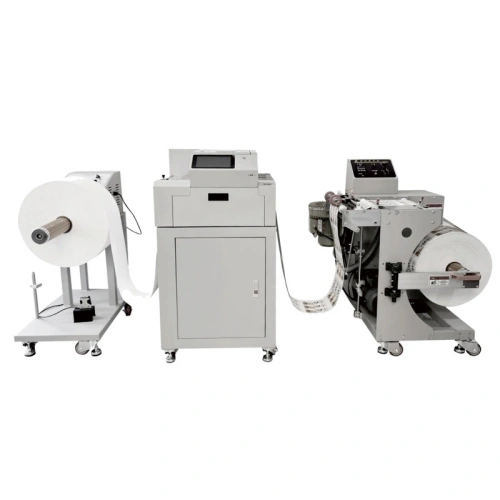
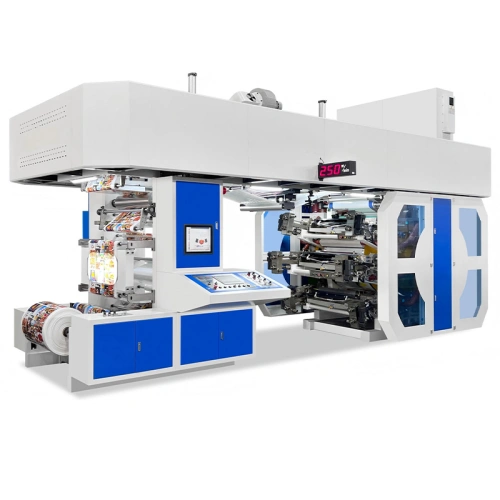
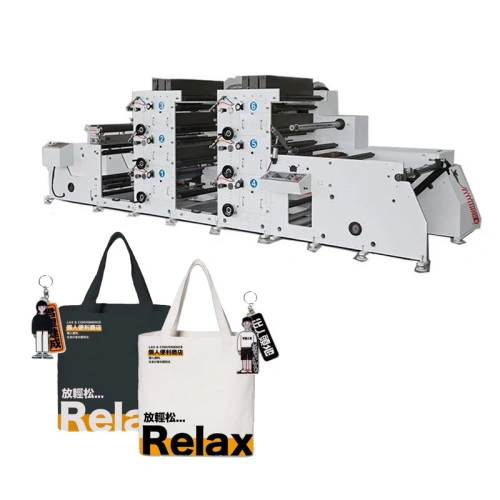
Choose your machine based on your job requirements, not just the price tag. Here is a quick comparison:
| Press Type | Printing Speed | Register Accuracy | Footprint | Machine Cost | Best Suited Materials |
| Stack Flexo Printing Machine | 40–150 m/min | ±0.1–0.2 mm | Very Small (Vertical) | Low | Thick films, paper, non-woven, woven sacks |
| Inline Flexo Printing Machine | 100–300 m/min | ±0.1 mm | Large (Horizontal line) | Medium | Labels, folding cartons, inline die-cutting |
| CI Flexo Printing Machine | 200–400 m/min | ±0.05 mm | Medium | High | Ultra-thin stretch films, high-precision food pouches |
| Digital Printing Machine | 10–50 m/min | No registration needed | Small | Low (Zero plate cost) | Short-run proofing, variable barcodes |
If your production focuses on paper bags, thick plastic films, or woven sacks, a stack flexo printing machine delivers the highest return on investment. For thin extensible films, pick a CI flexo printing machine. For short custom runs, a digital printing machine fits best.
Case Study: How a Mexican Packaging Plant Cut Costs by 25%
Carlos, a plant owner in Mexico, runs a medium-sized factory making supermarket bags and non-woven totes. His old secondhand machines suffered from poor color registration, resulting in a 12% material waste rate. The old equipment also took up too much factory floor space.
YG Machinery provided a customized 6-color stack flexo printing machine. We equipped it with pneumatic anilox rollers, automatic tension control, and a video inspection system.
After installation, plate setup time dropped from 45 minutes to 15 minutes. Color registration stayed within ±0.1 mm, lowering material waste below 3%. Within a year, overall production costs dropped by 25%, and Carlos used the saved floor space to install a new film blowing line.
💡 Pro Tip: Air shafts and automatic tension controllers are must-haves. These two small additions eliminate over half of your web stretch issues.
Key Buying Checklist for a Stack Flexo Printing Machine
Avoid costly mistakes by requesting these 4 technical verifications before buying:
- Anilox Roller LPI: Use 200–300 LPI for solid block printing; choose 500–800 LPI for fine detailed graphics.
- Doctor Blade System: Select a chambered double doctor blade system to minimize ink splash and speed up cleaning.
- Drying System: Ensure the press has inter-color hot air dryers and a final drying tunnel to prevent ink smudging.
- EPC & Tension: Edge Position Control (EPC) is crucial for keeping web alignment tight during high-speed rewinding.
FAQ: Common Buyer Questions About Stack Flexo Printing Machines
Yes, it can. The vertical structure allows turnbars to be installed between color units. You can easily configure the machine for 4+2, 3+3, or 5+1 double-sided printing in a single pass.
Flush them with water-based cleaner immediately after every run. Use an ultrasonic cleaning machine once a month to clear dried ink out of the cells and keep ink transfer consistent.
Water-based ink is low-cost, eco-friendly, and perfect for paper, non-woven bags, and general plastic bags. UV ink dries instantly with a high gloss, making it great for premium labels, but it requires UV curing lamps.
Ready to Upgrade Your Printing Line?
YG Machinery focuses on delivering durable, cost-effective stack flexo printing machine solutions for global buyers. Whether you need a standalone PE film flexo printing machine or a complete line upgrade, our engineering team provides free layout planning and machine selection advice.
Contact the YG Machinery team today for custom quotes and live test videos!