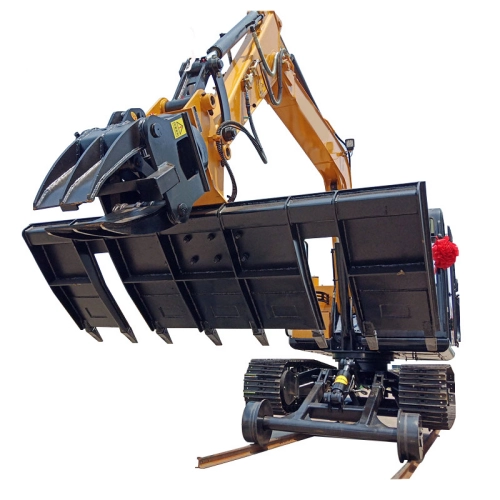
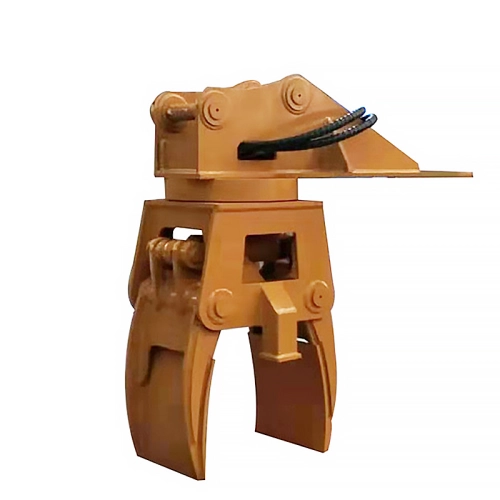
Mounting a heavy excavator railway sleeper changer boosts tie replacement output by more than four times compared to manual work. Digging ballast manually and lifting heavy concrete ties takes high effort and brings real jobsite safety risks.
A hydraulic sleeper changer combines ballast clearing blades, powerful jaws, and a 360-degree rotator drive. It extracts old ties, clears ballast beds, grabs new ties, and positions them in one smooth work cycle. This integrated mechanical setup shortens track possession windows and cuts labor costs fast.
Operator Tip: Clear ballast 5 to 10 cm deep using the front scraper blade before pulling old concrete ties. Pushing against compact ballast blows hydraulic hoses easily.
Where Do Contractors Deploy an Excavator Railway Sleeper Changer on Jobsites?
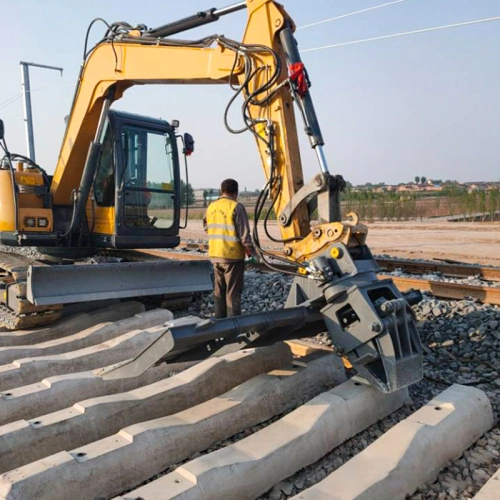
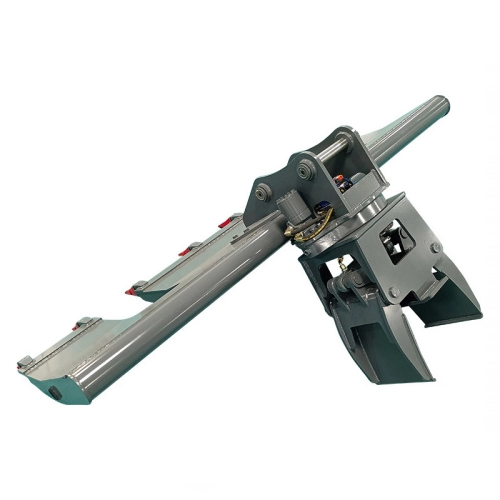
- National Railway Lines and Passenger Tracks: Operators run an excavator railway sleeper changer during short night possession windows to swap cracked concrete sleepers quickly.
- Mining Railways and Industrial Spur Tracks: Heavy industrial crews replace damaged timber ties and steel sleepers on heavy-haul coal lines.
- Subway and Light Rail Maintenance: The compact head rotates smoothly inside narrow underground tunnels for precise tie positioning.
- Jobsite Attachment Teamwork: On rail repair sites, an excavator railroad tie changer handles tie extraction and placement. Crews can use an excavator plate compactor to pack ballast, mount an orange peel grapple to clear scrap metal, connect an excavator auger for fence post drilling, and run a hydraulic sand pump for excavator to pump water out of track pits.
Operator Tip: Adjust clamping pressure valves when switching between timber ties and concrete sleepers. High pressure meant for concrete splits wet wooden ties.
How Do You Select an Excavator Railway Sleeper Changer by Tonnage and Work Conditions?
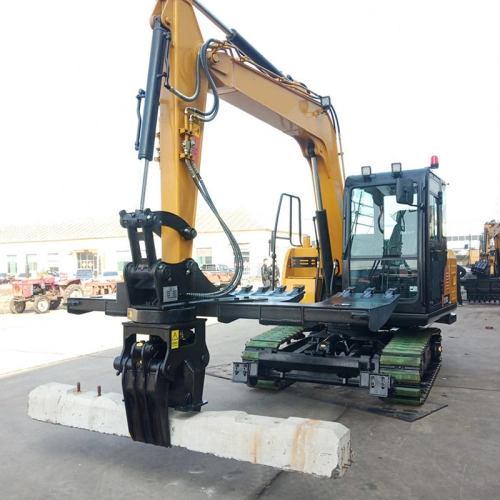
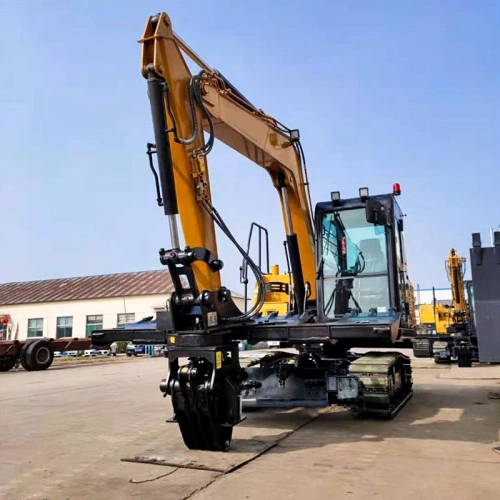
Contractors can match an excavator railway sleeper changer to their jobsite using four core criteria:
- Carrier Tonnage Matching: The standard jobsite setup is a sleeper changer for 8-15 ton excavator. Diggers in this weight class provide enough lifting capacity and hydraulic flow without damaging track bed structures.
- Tie Material Compatibility: Concrete ties require rubber-lined pads and high clamping force. Timber and steel ties need adjusted jaw pressure to avoid crushing the sleeper profile.
- Rotation and Tilt Functions: Choose attachments with 360-degree continuous hydraulic rotators. This allows fast positioning on track slopes and narrow roadbeds without repositioning the excavator.
- Hydraulic Line Setup: The unit requires two auxiliary dual-way hydraulic lines (one circuit for jaw clamping/scraper plates, one circuit for the rotator motor). Verify your machine auxiliary piping before buying.
Operator Tip: Choose 360-degree rotator drives with dual pilot-operated check valves. This prevents heavy ties from drifting on inclined track beds.
How Did an Excavator Railway Sleeper Changer Help a UK Rail Project?
- Jobsite Challenge: Rail maintenance contractor Arthur in Birmingham, UK faced strict 3-hour night possession windows. Manual crews using basic clamps replaced only 6 concrete ties per hour, risking heavy delay fines from rail authorities.
- Equipment Solution: YG Machinery matched a 360-rotating railway tie replacement tool for excavator with an integrated ballast scraper blade to his 12-ton road-rail digger.
- Real Business Results: Tie replacement speed jumped to 25 ties per hour, boosting jobsite output by over 400%. The team completed 30 consecutive days of night repairs without delays, saving over £35,000 in labor and penalty costs.
Operator Tip: Grease the slewing ring bearings on your rotator drive every morning. Low grease causes motor lockups under heavy side loads.
Frequently Asked Questions About Excavator Railway Sleeper Changer Selection
Can a single excavator railway sleeper changer handle both concrete and wooden ties?
Does an 8-15 ton excavator require extra hydraulic lines for a sleeper changer?
How do operators avoid disturbing the ballast bed during tie replacement?
Contact YG Machinery for Your Tailored Sleeper Changer Quote
Ready to speed up railway repairs and lower track maintenance costs? The YG Machinery engineering team provides hydraulic flow matching, road-rail conversion advice, and factory-direct pricing. Contact our technical team today for catalogs and jobsite videos!