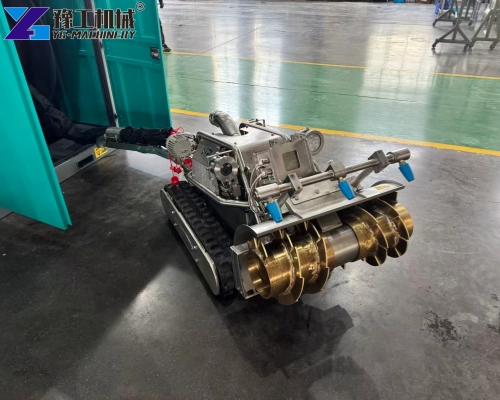
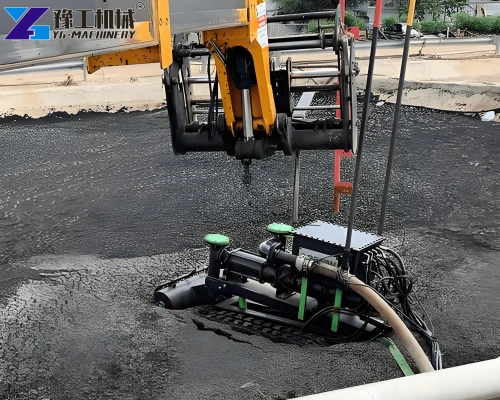
Cleaning massive industrial storage tanks used to mean sending a crew of workers into a dark, toxic, and dangerous confined space with pressure washers and manual tools.
Today, industrial contractors rely on automated tank cleaning robots to perform high-pressure washing and sludge removal safely from outside the tank.
If you are planning to purchase your first unit, understanding equipment pricing and operational value is essential. Here is a clear, practical breakdown of real market prices, key cost factors, and how to choose the right machine for your budget.
What Is the Average Tank Cleaning Robot Price?
In 2026, the factory price for an industrial tank cleaning robot generally ranges between $12,000 and $32,000, depending on machine capacity and functional configuration.
The cost varies based on structural engineering, high-pressure water output, sludge pumping performance, and specific safety ratings.
| Machine Type | Estimated Factory Price | Primary Applications |
| Standard / Water Tank Cleaning | $12,000 – $18,000 | Municipal water storage, light sediment & flat surfaces |
| Heavy-Duty Industrial Cleaning | $18,000 – $24,000 | Heavy sludge, mud, wastewater & chemical storage |
| High-Spec / Hazardous Environment | $24,000 – $32,000 | Viscous oil sludge, specialized tanks & demanding sites |
For most first-time machinery buyers, a versatile unit priced between $15,000 and $22,000 provides the ideal balance of cleaning efficiency, durability, and fast return on investment.
What Factors Drive the Price of a Tank Cleaning Robot?
When comparing different equipment options, several technical specifications directly influence manufacturing costs:
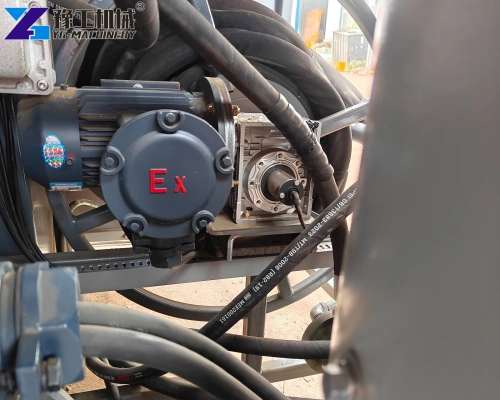
- Safety Rating & Sealed Components: Machines operating around flammable fumes require certified spark-free motors, sealed electrical enclosures, and anti-static drive systems. These safety features increase production costs.
- Track System & Wall Climbing: Standard models utilize heavy-duty rubber tracks for flat tank floors. Advanced units feature high-strength magnetic tracks that enable the crawler to climb vertical steel walls inside large storage vessels.
- Pumping & Cleaning Power: To clean bulk tank with robot systems efficiently, high-pressure water cannons and heavy-duty slurry pumps are required to flush out settled mud and heavy residue.
What Are the Hidden Costs of Importing a Robot?
When calculating your total budget, remember to consider additional landed expenses beyond the factory equipment price:
- Ocean Freight & Import Duties: Shipping heavy industrial equipment overseas in reinforced wooden crates typically adds 8% to 15% in freight charges, customs handling, and local import tariffs.
- Spare Parts Kit: High-wear components—such as rubber tracks, high-pressure water nozzles, and hydraulic seals—should be stocked on-site to maintain project uptime.
- Operator Familiarization: While operating systems are streamlined, allocating a short period for your crew to review operation manuals and practice safety procedures ensures smooth job-site execution.
Human Cleaning vs. Robotic Cleaning: Cost Comparison
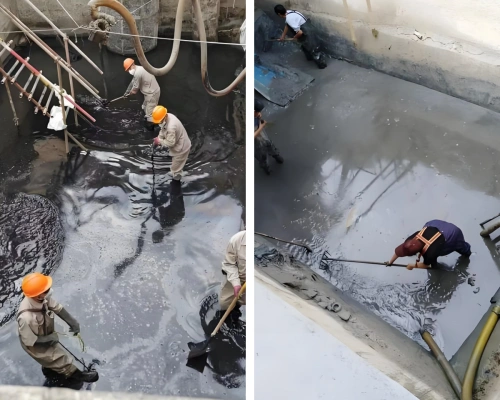
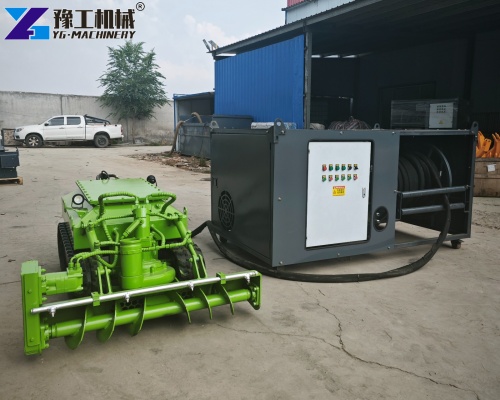
While manual cleaning may appear less expensive upfront, factoring in labor overhead, crew safety, and tank downtime demonstrates the financial advantage of automated equipment.
| Feature | Manual Cleaning Crew | Robotic Tank Operator |
| Required Crew Size | 5 to 8 Specialized Workers | 1 to 2 Equipment Operators |
| Confined Space Entry Risk | High Injury & Liability Risk | Zero Human Tank Entry Required |
| Operational Efficiency | Limited by Worker Fatigue | Continuous, Non-Stop Cleaning |
| Labor Cost Savings | Baseline Labor Overhead | 60% – 80% Reduction in On-Site Labor |
By significantly reducing crew size and eliminating hazardous confined space entry risks, contractors typically recover their entire machinery investment after completing just 2 to 4 major projects.
How to Choose the Right Machine for Your Budget
To optimize your equipment purchase, select a configuration that aligns with your specific job requirements:
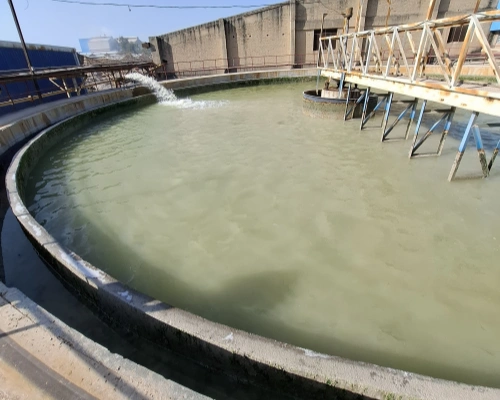
- For Municipal & Drinking Water Tanks: A specialized water tank cleaning robot delivers complete surface cleaning without requiring costly specialized electrical enclosures.
- For Ponds, Mud Basins & Heavy Sediment: Select a heavy-duty crawler paired with a small dredging machine pump to efficiently move dense mud and gravel without manual shoveling.
- For Fuel, Oil & Chemical Storage: Always prioritize safety by choosing a specialized spark-free robot designed for hazardous industrial environments.
Why Choose YG Machinery?
Importing industrial equipment should be straightforward and reliable. At YG Machinery, we manufacture high-performance engineering equipment built for global contractors.
- Factory-Direct Pricing: Purchase durable industrial machinery straight from our production lines without distributor markups.
- Heavy-Duty Construction: Built with high-grade components designed for demanding field conditions and long operational service life.
- Comprehensive Export Support: We provide complete technical documentation, clear user manuals, video training guidance, and global spare parts support.
Frequently Asked Questions (FAQ)
Is a tank cleaning robot hard to operate?
What is the expected service life of a tank cleaning robot?
Request Your Customized Quote Today
Eliminate hazardous confined space entry and upgrade your project efficiency. Contact the engineering team at YG Machinery today