Choosing the right injection molding machine directly determines your factory output, scrap rate, and ROI. Many international contractors and plant managers face issues like mismatched clamp tonnage, incorrect shot weight math, or ignoring needed peripheral units.
Drawing from 15 years of export work at YG Machinery, we break down top application setups, specs to check, and real field cases for an injection molding machine.
What Are the Main Applications for an Injection Molding Machine?
An injection molding machine powers modern production lines across footware, industrial parts, and daily plastic goods. Knowing machine types helps you hit target output fast.
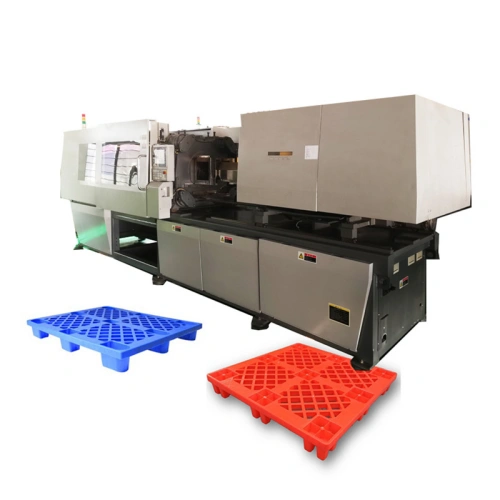
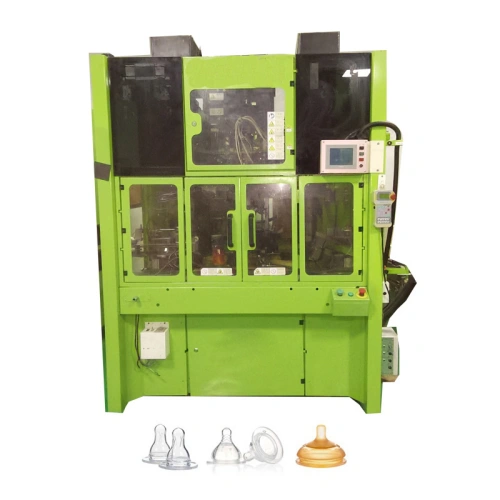
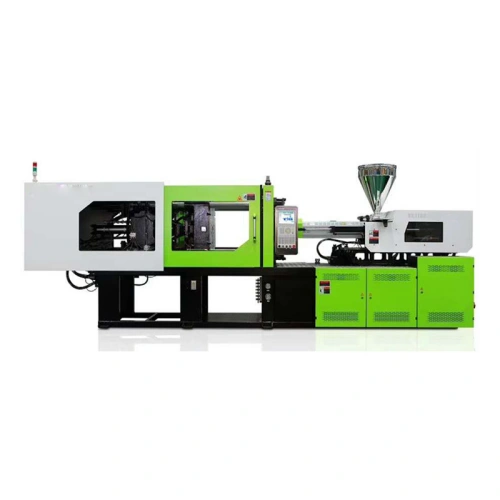
- Horizontal Injection Molding Machine (Industrial Standard): The primary choice for large items like plastic chairs, crates, pallets, trash cans, and pots. Pairing it with a servo system saves over 30% on energy.
- Vertical Injection Molding Machine (Precision & Inserts): Ideal for insert molding, electronic parts, and flip-flop straps or soles. Its small footprint and vertical clamping make manual or robotic inserts simple.
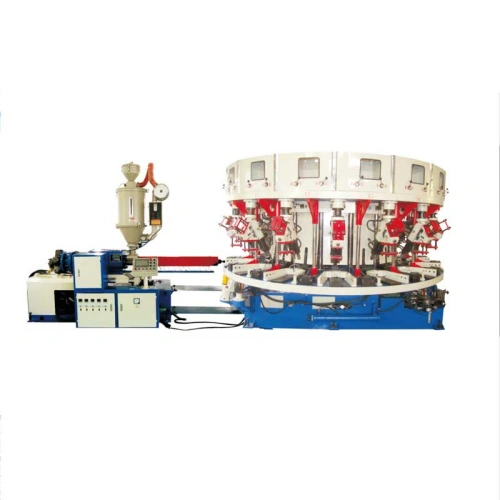
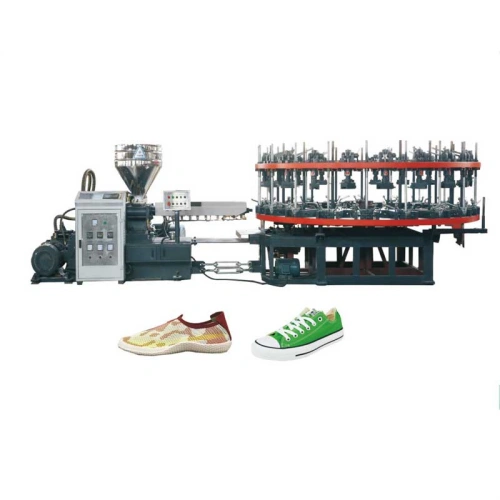
- Rotary Type Machine (Footwear Specialized): Built specifically for mass shoe production. It handles PVC, TPR, and TPU materials for slippers and air-blowing soles. Multi-station designs cut cooling wait times.
💡 Pro Tip: For PVC or TPR slippers, pick a rotary air-blowing unit. If you use PU or EVA, you need dedicated foaming machinery because materials and heat profiles differ.
Key Specs to Check Before Buying an Injection Molding Machine
Never buy an injection molding machine based on tag price alone; match press specs to your mold geometry.
1. Clamp Tonnage and Mold Dimensions
Clamp tonnage keeps the mold sealed against high plastic pressure. Calculate required tons by multiplying part projected area by resin pressure factors. Verify that mold dimensions fit comfortably within tie-bar spacing.
2. Shot Size Range
Keep your required part weight within 20% to 80% of total machine shot capacity. Running under 20% degrades resin due to heat exposure, while exceeding 80% leads to short shots and unstable melt.
3. Motor Type and Factory Power
Servo motors cut electricity use by 30% to 70% compared to standard motors. Always confirm site voltage (e.g., 380V/50Hz or 480V/60Hz) before placing an order to avoid power setup delays.
💡 Pro Tip: Send product photos, part dimensions, weight, and target output with your inquiry to skip three back-and-forth emails.
Real Customer Success Story: Upgrading Output in Southeast Asia
Client Profile: A factory owner in Vietnam built a new line for two-color PVC slippers, but faced an 18% scrap rate on old machines.
The Challenge: The old setup lacked enough stations, causing short cooling periods that warped soles. High local power rates increased operating costs.
YG Solution:
- Supplied a 24-station rotary air-blowing injection molding machine equipped with energy-saving servo motors.
- Added mold temperature controllers and industrial chillers to regulate cooling cycles.
- Provided remote online video guidance for installation, wiring, and parameter setup.
Real Results: Pass rates reached 98.5%, power draw dropped 35%, and daily output grew by 4,000 sole pairs, covering equipment costs within 4 months.
💡 Pro Tip: When running multi-color molds, size your chiller properly. Insufficient cooling slows down rotation speeds in summer.
Frequently Asked Questions (FAQ)
Horizontal presses can run different parts simply by changing molds. However, dedicated shoe machines or cup units usually run specific part ranges, requiring separate mold sets or custom setups for sizing shifts.
Common add-ons include hopper dryers (to remove resin moisture), auto-loaders, water chillers (for mold cooling), mold temperature controllers, and plastic crushers. Adding these improves line automation.
💡 Pro Tip: If working with a tight budget, prioritize the hopper dryer and auto-loader. Moisture in raw resin ruins surface finish regardless of machine quality.
Conclusion: Ready to Start Your Injection Molding Machine Purchase?
Selecting the ideal injection molding equipment forms the foundation of a profitable plastics or footwear manufacturing operation. From calculating tonnage accurately to pairing the right chillers and dryers, every decision directly impacts your plant margin. YG Machinery is committed to providing global buyers with top-tier equipment and complete online support to ensure a seamless setup.
Contact our engineering team today to receive a free mold match evaluation and a personalized equipment quote!
💡 Pro Tip: Attach product drawing files or physical photos with your inquiry. Our technical team will calculate required press tonnage and line specs within 24 hours.