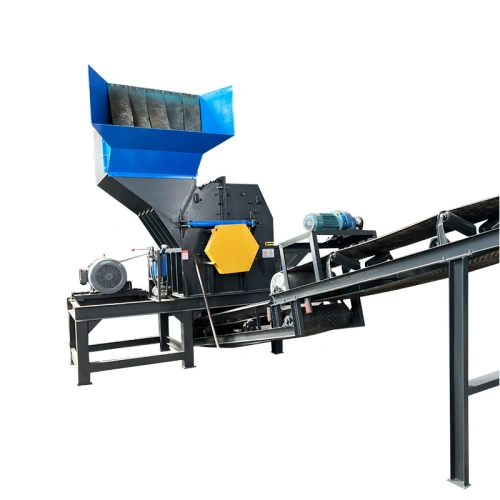
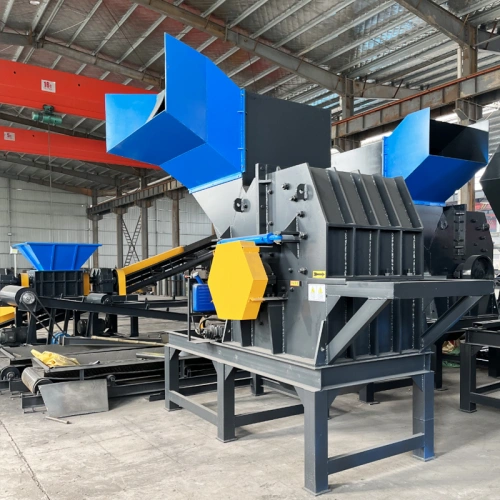
In the metal recycling business, picking the wrong equipment can cost you up to 30% of your annual profit. For most factory managers and contractors, common headaches include unexpected material jams, rapid blade wear, and low output density that fails steel mill standards. As a machinery specialist with years of field experience, I have handled hundreds of overseas purchasing cases. This guide breaks down the essential details of buying a scrap metal shredder machine, helping you avoid expensive traps.
Scrap Metal Shredder Machine Parameters:
| Model | YG-600 | YG-800 | YG-1000 | YG-1200 | YG-1400 | YG-1600 | YG-1900 | YG-2200 | YG-2600 |
| Power | 4-15*2 kw | 4-22*2kw | 4-30*2kw | 4-37*2kw | 4-45*2kw | 4-75*2KW | 4-90*2kw | 4-132*2kw | 4-160*2kw |
| Spindle Model | 18-20r/min | 18-35r/min | 18-35r/min | 18-35r/min | 14-35r/min | 14-25r/min | 14-25r/min | 16-25r/min | 16-25r/min |
| Capacity | 2-3t/h | 3-5t/h | 5-8t/h | 6-10t/h | 8-12t/h | 12-18t/h | 16-22t/h | 20-26t/h | 25-60t/h |
| Broken Size | 3-10cm | 3-10cm | 3-10cm | 3-10cm | 3-10cm | 3-10cm | 3-10cm | 3-10cm | 3-10cm |
| Hopper Size | 820*900mm | 900*1000mm | 1200*1000mm | 1400*1000mm | 2000*2000mm | 2300*2000mm | 2300*2000mm | 2500*1800mm | 2425*1400mm |
| Dimensions | 2600*2000*1900mm | 2800*2000*1900mm | 3000*2000*1900mm | 3200*2000*1900mm | 4000*1700*2400mm | 5000*3000*2400mm | 6000*3500*2400mm | 7000*4000*4500mm | 8200*4000*4300mm |
Where Is a Scrap Metal Shredder Machine Used in Industry?
A scrap metal shredder machine reduces bulk waste volume and increases output density. Different scrap types need different power setups and blade materials.
- Automobile Recycling: Processes entire car shells, engine blocks, and auto parts. It requires high torque to shrink volume fast.
- E-Waste & Home Appliances: Handles old fridges, washers, and computer cases. A metal crushing and sorting machine often pairs with a magnetic separator for metal recycling here to split steel from plastic easily.
- Industrial Steel Scrap: Shreds steel angle bars, rebars, and pipes. It boosts density to over 1.2 tons per cubic meter, dropping freight costs.
- Non-Ferrous Processing: Crushes aluminum castings and copper wires. Using a fine-cutting metal shredder machine delivers higher purity metal granules.
💡 Pro Tip: If you handle steel plates over 8mm thick, skip light double-shaft models. Go for heavy-duty single or twin-shaft units with hydraulic pushers to avoid constant jamming.
What Key Specs Matter for a Scrap Metal Shredder Machine?
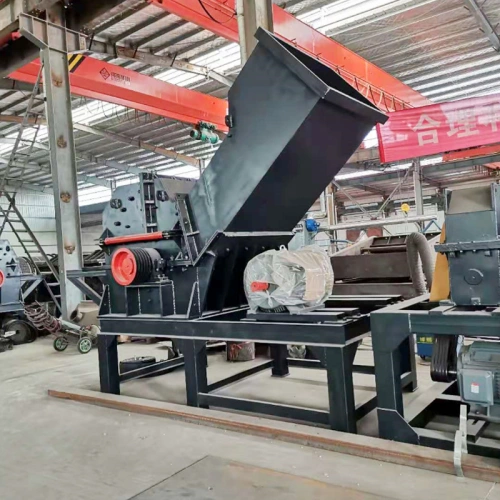
When choosing a scrap metal shredder machine, look beyond total horsepower. Four key specs directly control your output and running costs:
- Feeding Size and Thickness Limits: The feed opening must be 15% to 20% larger than your biggest waste piece. If scrap thickness exceeds 10mm, add a hydraulic forced feeder.
- Screen Mesh Size and Output Density: Our standard mesh size ranges from 60- 70 mm. Smaller holes create tighter metal balls with higher density. However, smaller holes drop hourly output by 15% to 25%.
- Blade Material and Wear Resistance: Blades are your main wear item. Always verify the maker uses Cr12MoV, D2, or H13 alloy steel. Quality alloy blades last 3 times longer than basic carbon steel.
- Capacity Per Hour (TPH): Do not chase massive numbers blindly. Match the machine to your daily scrap collection. A 2-5 TPH model offers the best value for mid-sized yards.
Real Overseas Case: How a Southeast Asian Plant Boosted Capacity by 40%
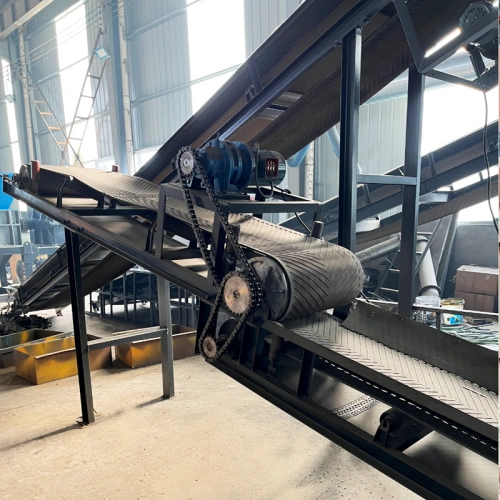
Last year, Mark, a plant manager from the Philippines, reached out to us. His recycling yard handled old appliances and mixed scrap. His old setup jammed daily, wasting $5,000 monthly in labor and downtime.
The Challenges Faced
- Old blades needed re-welding every two weeks, raising maintenance costs.
- Mixed metal scrap could not be sorted fast, leading to low sale prices.
- Low scrap density led to half-empty shipping containers and high freight rates.
The Customized YG Solution
We built a cost-effective scrap metal shredder machine line for Mark. We installed 55mm D2 alloy blades and added a magnetic separator for metal recycling along with an air separator at the discharge end. We set the mesh size to 65mm to meet high-density steel mill standards.
Real Results Achieved
- Higher Capacity: Daily output jumped from 12 tons to 20 tons, up by 40%.
- Lower Maintenance: D2 blades ran for 6 months with basic sharpening, cutting maintenance costs by 65%.
- Better Pricing: Sorted iron purity topped 98%, fetching an extra 18 per ton.
💡 Pro Tip: Ocean freight charges by volume and weight. Raising scrap density over 1.0 t/m³ can cut your container shipping cost in half.
Frequently Asked Questions (Q&A) About a Scrap Metal Shredder Machine
What metal thickness can a scrap metal shredder machine handle?
How do I balance output density against hourly capacity?
What items should never go into a scrap metal shredder machine?
Actionable Tips Before Buying a Scrap Metal Shredder Machine
Before signing your purchase contract, complete these three checks:
- Request a Live Material Test: Send your actual scrap samples to the manufacturer for a test video. Watch the feed flow and output size closely.
- Secure Spare Wear Parts: Include a spare set of stationary blades, rotary blades, and screens in your order. Waiting for sea freight shipment during a breakdown stops your work.
- Confirm Remote Tech Support: Ensure the vendor provides video setup help and clear wiring diagrams. Remote diagnostics on heavy equipment save thousands in technician visits.