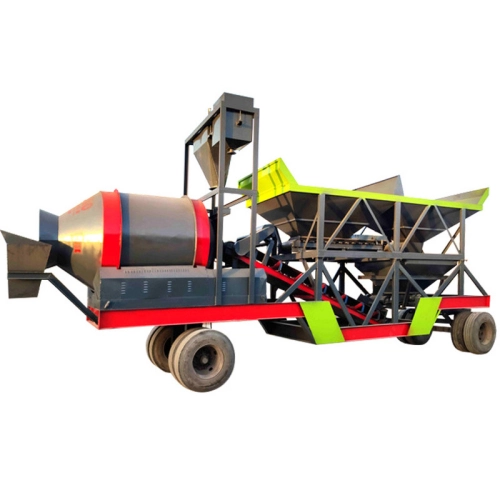
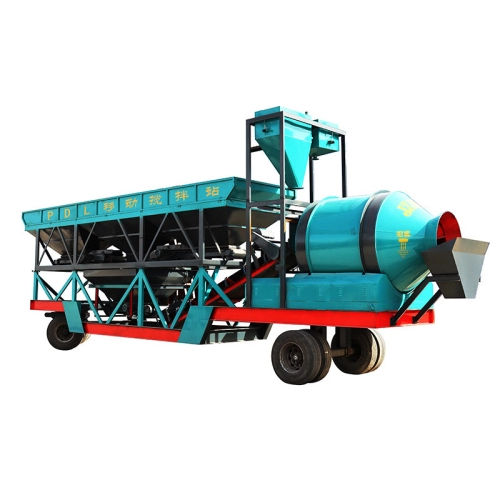
Selecting a mobile concrete batching plant is the fastest way for small and medium contractors to cut site expenses in today’s construction market. Portable units reduce foundation building and site relocation costs by up to 60% compared to traditional fixed factories. As an equipment consultant at YG Machinery, I help international buyers select and optimize plant setups every day. This guide shares key insights on choosing, tuning, and operating a mobile concrete batching plant efficiently.
Mobile Concrete Batching Plant Parameters:
| Model | YG20 | YG30 | YG60 | YG100 |
| Production capacity (m3/h) | 20 | 30 | 60 | 100 |
| Concrete mixer | YG500 | YG750 | YG1500 | YG2000 |
| Aggregate feeding mode | Belt conveyor | Belt conveyor | Belt conveyor | Belt conveyor |
| Aggregate size(mm) | 80/60 | 80/60 | 80/60 | 80/60 |
| Discharging height(m) | 1.5 | 1.5 | 1.5 | 1.5 |
| Aggregate weighing accuracy (%) | ±2 | ±2 | ±2 | ±2 |
| Cement weighing accuracy (%) | ±1 | ±1 | ±1 | ±1 |
| Water weighing accuracy (%) | ±1 | ±1 | ±1 | ±1 |
| Additive weighing accuracy (%) | ±1 | ±1 | ±1 | ±1 |
| Control system | Panel | Computer | Computer | Computer |
| Total power (kw) | 42 | 46 | 67 | 77.5 |
| Total weight) | 12 | 13 | 14.5 | 26 |
What Is a Mobile Concrete Batching Plant and How Does It Work?
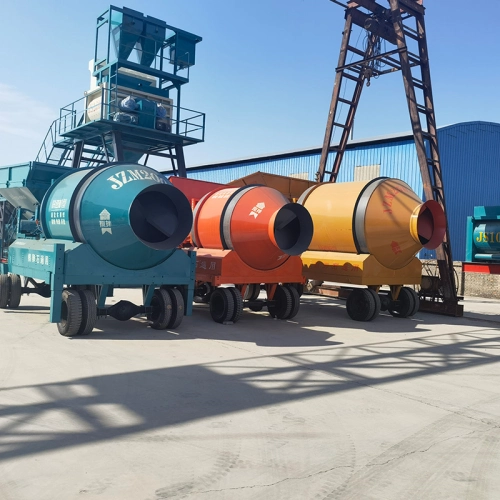
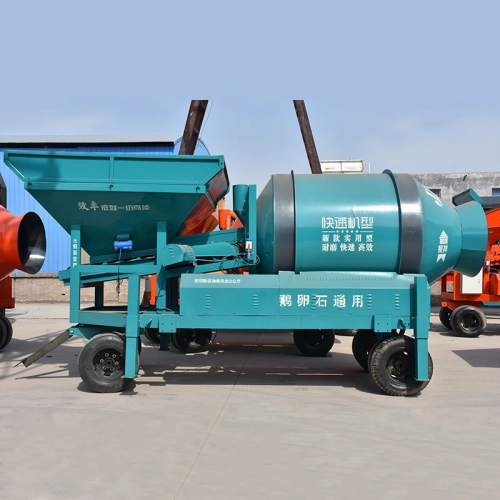
A mobile concrete batching plant is a fully integrated system that packs aggregate batching, weighing, mixing, and control systems onto a single trailer chassis.
The layout includes aggregate hoppers, feeding belts or skip hoists, a main mixer (drum or twin-shaft), water/additive weighing scales, and a PLC control panel. The trailer chassis features a towing pin and heavy-duty wheels, so you can pull it using a standard truck head. Outriggers support the main frame during operation, eliminating the need for complex concrete foundation work. Whether you need a compact drum-type mobile concrete plant or a high-precision twin-shaft mobile batch plant concrete unit, these systems start production right after arrival.
Why Invest in a Mobile Concrete Batching Plant? Core Advantages
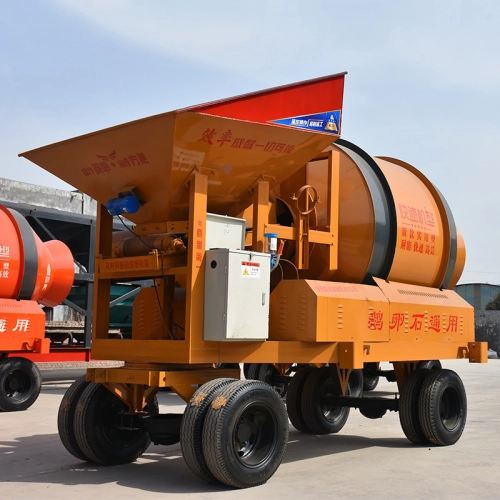
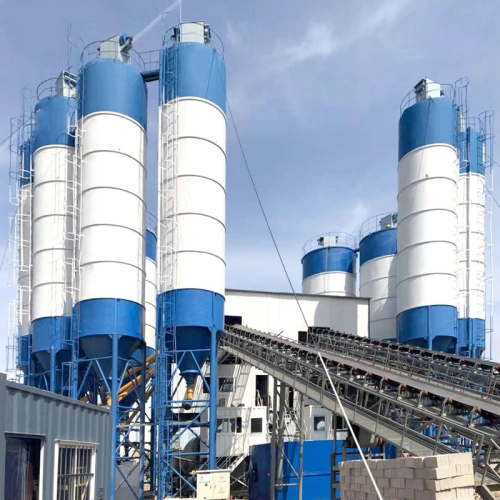
For short-term or linear construction jobs, a mobile concrete batching plant delivers clear financial gains:
- No Deep Foundations: Traditional stationary concrete batching plant setups require weeks of concrete foundation work. Mobile units only need compacted, hard ground, saving thousands of dollars.
- Rapid Relocation: Quick-connect electrical plugs let your crew dismantle and reassemble the entire plant at a new job site within 1 to 2 days.
- Lower Transit Costs: Mixing concrete directly on site eliminates transit slump loss and premature setting risks caused by long commercial mixer truck rides.
💡 Pro Tip: Position the aggregate batcher close to your sand and gravel piles. Short loader driving distances save significant fuel over a full shift.
What Are the Key Industry Applications for a Mobile Concrete Batching Plant?
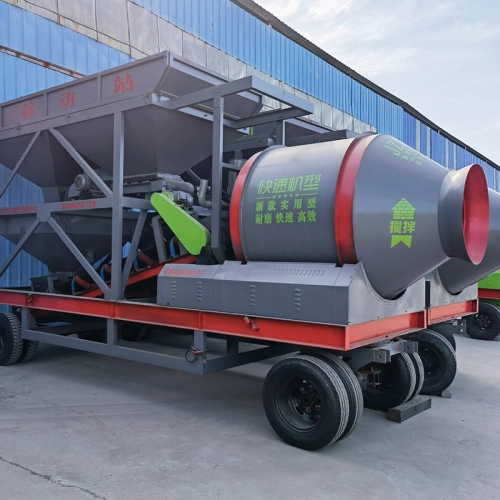
Different jobs require specific configurations for a mobile concrete batching plant:
- Rural Roads and Remote Bridges: A 25 to 35 m³/h drum-type portable unit works best here. It features a simple structure, an onboard water tank, and handles off-grid conditions well.
- Municipal Repairs and Urban Paving: Compact 35 to 50 m³/h mobile plants fit tight city spaces without blocking public traffic lanes.
- Canal Lining and Irrigation Works: The trailer moves along the canal bank as paving progresses, keeping the concrete discharge distance minimal.
- Small Precast Elements and Block Factories: Mobile units with twin-shaft mixers offer superior batch uniformity, meeting strict structural quality checks.
How a Mexican Contractor Started Production in 3 Days
A contractor named Mateo faced a tough problem on a rural road job in Yucatán, Mexico: local commercial ready-mix suppliers were over 60 km away, causing high delivery costs and spoiled loads.
The YG Machinery team supplied a towable 35 m³/h mobile concrete batching plant (YGZS35). We configured it with hydraulic landing legs and a simple modular water tank, avoiding the need for heavy crane rentals on site.
When the unit reached port, YG technicians guided Mateo’s local crew via video call. The team completed site setup, wiring, and trial mixing in just 3 days. The machine cut Mateo’s concrete supply expenses by 32% over 8 months and helped him finish the contract 15 days ahead of schedule.
💡 Pro Tip: Pair your mobile plant with a 75kW to 100kW diesel generator set if local grid power fluctuates. Steady electric supply stops unexpected batch mixer jams.
Frequently Asked Questions (FAQ)
What is the actual daily output of a Mobile Concrete Batching Plant?
What size cement silo pairs best with a portable plant?
Should I choose a drum mixer or a twin-shaft mixer?
Ready to Start Your Next Construction Project?
Buying a reliable mobile concrete batching plant is a smart move toward higher job margins. YG Machinery brings over 20 years of manufacturing experience, supplying mobile batching units from 25 m³/h to 75 m³/h.
Contact YG Machinery engineers today for a custom quote and layout design! Whether you need a simple drum plant or a high-efficiency twin-shaft mobile concrete plant, our technical team will send you factory-direct pricing within 12 hours.