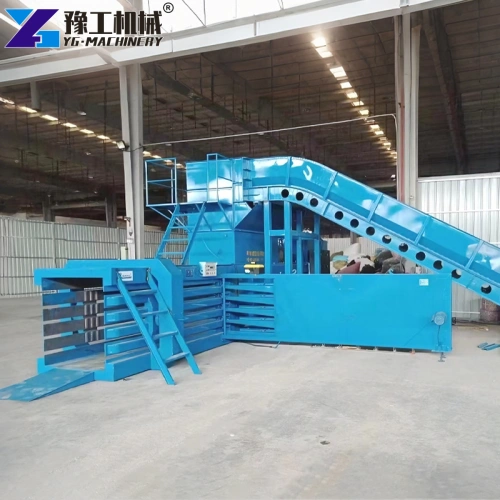
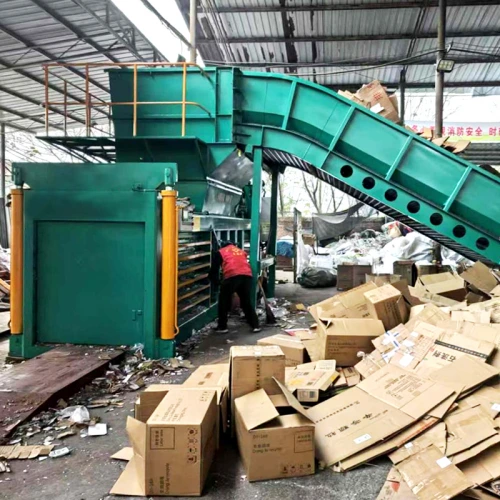
When advising overseas clients on equipment selection, I often get asked one fundamental question: “Should I buy a semi-automatic model or invest in a fully automatic horizontal baler?”
The key difference lies in the automation level and the tying process. A semi automatic horizontal baler requires an operator to manually feed wires and tie off each bale. While its initial purchase price is lower, it relies on ongoing manual labor. On the other hand, a fully automatic unit uses an auto-tie mechanism paired with PLC controls to handle feeding, compression, and wire tying without operator intervention.
The decision is not about which machine is universally “better,” but rather which one fits your daily tonnage, local labor rates, and target payback timeline.
Selection Tip: Do not evaluate equipment purely on its sticker price. Factor in local worker wages—the labor savings from an automated machine often offset the price difference within 6 to 12 months.
Matching Machinery to Your Facility
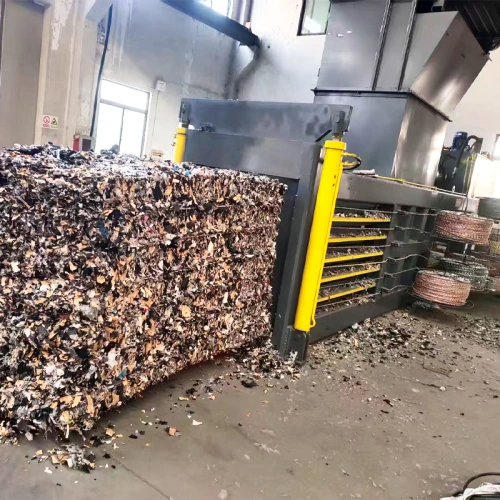
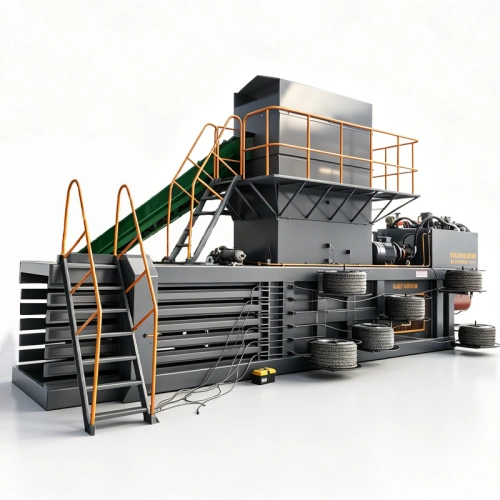
Operating conditions dictate machinery needs. Over-specifying wastes capital, while under-specifying bottlenecks your plant:
1. When to Choose a Semi Automatic Horizontal Baler
- Daily Volume: Less than 5 tons of waste per day.
- Materials: Standard cardboard boxes, light plastic film, or agricultural straw.
- Labor Context: Affordable local labor with available operators on the floor.
- Budget Constraint: Early-stage recycling yards or small workshops keeping upfront costs low.
2. When to Choose a Fully Automatic Horizontal Baler
- Daily Volume: 10 tons to dozens of tons daily.
- Materials: High-rebound PET bottles, expanding plastics, heavy cardboard, or solid waste.
- Labor Context: High labor costs (such as in North America, Europe, or Australia) or labor shortages.
- Operations: 24/7 continuous runs demanding dense, standardized bales for long-distance haulage.
Selection Tip: If your material has high spring-back force (like PET bottles), pick an automatic horizontal baler equipped with a lifting door and anti-rebound hooks to keep tying operations safe.
Real Case: ROI Calculation for a Middle East Packaging Plant
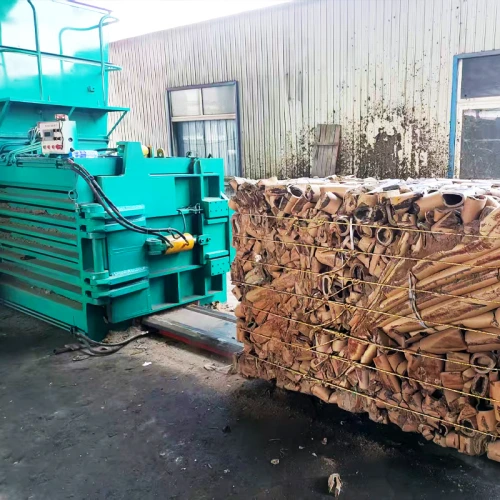
Earlier this year, a client named Abdullah expanded his packaging plant in Saudi Arabia and needed a new horizontal baler. He initially favored a semi-automatic model because it was nearly 40% cheaper upfront. However, breaking down the long-term numbers changed his strategy.
- Initial Setup: The plant generated about 15 tons of scrap cardboard daily, requiring two full-time workers to tie off bales on a manual setup.
- The Solution: He opted for a fully automatic horizontal baler with an integrated auto-tie system.
- The Outcome: The new setup eliminated 1.5 full-time operator shifts and boosted output speed by 60%. Monthly operating expenses plummeted, bringing his payback period down from an estimated 18 months to just 9 months.
Selection and ROI Q&A
Is maintenance significantly higher on a fully automatic horizontal baler?
Should I buy a fully automatic machine if my current volume is small but growing?
Can an automatic baler run on a facility with limited electrical capacity?
Selection Tip: Before ordering an auto-tie unit, confirm whether it uses steel wire or plastic strapping so you can source consumables locally.
In short, a semi-automatic unit is a cost-effective starter for low-volume facilities. Meanwhile, a fully automatic horizontal baler is the clear choice for high-volume operations, high-wage regions, and businesses focused on maximum long-term ROI. Match your daily tonnage and total operating costs to pick the right machine for your plant.